You’re About to Sign — But Do You Know What’s Running That AC?
You’ve toured the home. You love the layout. The backyard is perfect. You’re ready to make an offer.
But here’s the thing: that air conditioning system humming quietly in the background? It could be a $12,000 headache waiting to happen.
New home buyers are often so focused on square footage and kitchen finishes that they overlook one of the most expensive systems in the house. The HVAC system — especially the air conditioning — doesn’t come with a sticker price on the wall. And that’s exactly the problem.
Look, sellers aren’t required to volunteer information about aging equipment or deferred maintenance. So if you don’t ask the right questions and get the right eyes on that system, you could be closing on someone else’s problem.
This guide will walk you through exactly what to check, what red flags to watch for, and how to protect yourself before you hand over that down payment.
Why Air Conditioning Is the Sneakiest Line Item in Any Home Purchase
Here’s what most buyers don’t realize: a home inspection covers a lot of ground — roof, foundation, electrical, plumbing — but it’s often a surface-level pass. The inspector is a generalist.
Air conditioning systems are complex. A standard home inspection might flag obvious issues, like a unit that won’t turn on. But it won’t always catch a compressor running at 80% capacity, refrigerant that’s slowly leaking, or ductwork that’s been improperly patched for years.
Those problems don’t show up until the first real Virginia heat wave — and by then, you own them.
The average lifespan of a central air conditioning system is 15 to 20 years. A unit installed in 2007 or 2008 is technically still “working” but is living on borrowed time. You need to know that before you buy.
What a Proper AC Inspection Actually Covers
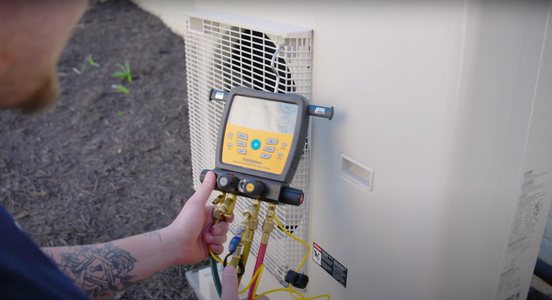
A dedicated HVAC inspection from a licensed contractor goes well beyond what a home inspector can offer. Here’s what a qualified technician should evaluate:
The Age and Condition of the Equipment
The first thing any experienced HVAC tech will check is the manufacture date — usually stamped inside the unit or encoded in the serial number. Age alone tells you a lot. But condition matters just as much. Dirty coils, corroded components, and worn contactor points all signal deferred maintenance.
It’s frustrating when you ask a seller about the AC and they say “it works great.” That’s not a lie, necessarily. But “works” and “is in good shape” are two very different things.
Refrigerant Type and Charge Level
This one matters more than most buyers know. Older systems use R-22 refrigerant, which has been phased out under federal law. If you’re buying a home with an R-22 system and it develops a leak, you’re looking at either an expensive recharge or a full replacement — because R-22 is no longer produced in the U.S.
A licensed technician can check the refrigerant type, test for leaks, and tell you exactly what you’re dealing with.
Airflow and Duct Integrity
The air conditioning unit itself might be fine. The ductwork is another story. Poorly sealed ducts, crushed flex duct in the attic, and disconnected runs are extremely common in older homes. They cause uneven cooling, higher energy bills, and excess humidity — which leads to mold problems down the road.
Electrical and Safety Components
Capacitors, contactors, disconnect boxes, and wiring all deserve a close look. These parts wear out, and failing electrical components are both a comfort issue and a safety issue.

What You’ll Learn From a Pre-Purchase HVAC Inspection
| What Gets Checked | Why It Matters to You as a Buyer |
| Equipment age and model | Tells you how many years of life remain |
| Refrigerant type (R-22 vs. R-410A) | Determines future repair costs and availability |
| Refrigerant charge level | A low charge signals a leak — and an expense |
| Capacitor and contactor condition | Common failure points; cheap to fix if caught early |
| Ductwork integrity and sealing | Affects efficiency, indoor air quality, and humidity |
| Thermostat calibration | Simple but often off; affects comfort and bills |
| Condensate drain and drip pan | Overflow leads to water damage and mold |
| Outdoor unit condition | Fin damage, coil cleanliness, and clearance all matter |
Getting this information before closing gives you leverage. You can negotiate a repair credit, ask the seller to replace the unit, or simply make a fully informed decision about whether the home is worth the price as listed.
Sound familiar? You’ve probably heard of buyers who skipped this step and spent their first summer writing checks instead of enjoying their new home.
The Exception Worth Knowing About
Not every older system is a disaster. Some homeowners maintain their equipment meticulously — regular tune-ups, filter changes, and professional servicing. A 14-year-old unit that’s been well cared for can outperform a 5-year-old system that’s been neglected.
This is exactly why a proper inspection matters. You’re not just checking the age. You’re getting a full picture of how the system has been treated.
And if it turns out the AC is in great shape? You buy with confidence. That’s a good outcome too.
What to Ask Before You Schedule an Inspection
Before you call any HVAC contractor to evaluate a prospective home, make sure you’re asking the right questions:
Are you a licensed Class A contractor? In Virginia, HVAC work requires a Class A contractor license. Don’t let anyone without credentials evaluate a system you’re about to pay for.
Do you carry E&O insurance? Errors and omissions coverage protects you if a technician misses something significant.
Will I get a written report? Verbal assessments are worth very little in a negotiation. You need documentation.
Do you do pre-purchase inspections regularly? This is a specific type of service. An experienced contractor knows what buyers need to know — and what they don’t.
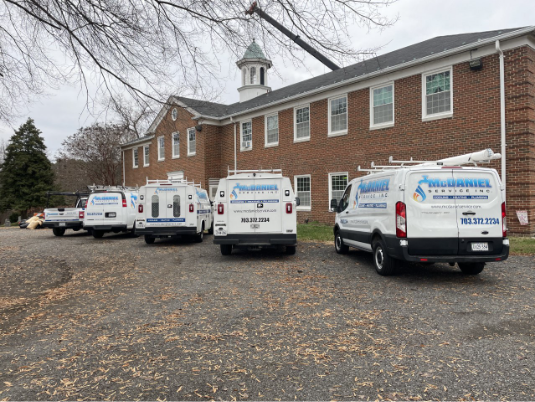
McDaniel Service, Inc. holds a Class A license and serves Northern Virginia homeowners with transparent, upfront assessments. The goal is simple: you leave knowing exactly what the system is, what it needs, and what it will cost — before anyone starts writing checks.
Frequently Asked Questions
How much does a pre-purchase HVAC inspection cost in Northern Virginia?
A dedicated HVAC inspection typically runs between $100 and $200 for a residential system, depending on the size of the home and whether it includes both heating and cooling components. That’s a small investment compared to what a failing system can cost. Some contractors bundle this with a full evaluation of the ductwork and indoor air quality components. Always ask what’s included in the scope before you book.
Can I use the standard home inspection report for the air conditioning?
You can use it as a starting point, but it’s not enough on its own. General home inspectors are trained to identify obvious deficiencies — a unit that won’t run, visible corrosion, disconnected ductwork. What they typically don’t assess is the internal condition of the equipment, refrigerant charge levels, or the remaining useful life of individual components. For a major system that could cost $8,000 to $15,000 to replace, a second opinion from a licensed HVAC contractor is worth every dollar.
What if the seller says the AC was just serviced?
Ask for documentation. A service record shows what was done, when, and by whom. If the seller can’t produce paperwork, be skeptical. “Just serviced” can mean anything from a full tune-up to a technician flipping the breaker. A maintenance record from a licensed contractor is the only reliable verification.
Should I negotiate an AC replacement credit if the system is old?
It depends on the findings. A 15-year-old unit in excellent condition might have five or more years left. A 10-year-old unit with deferred maintenance might need replacement sooner. The inspection report gives you the data to have that conversation intelligently. If replacement is likely within two to three years, negotiating a credit at closing is entirely reasonable — and expected.
Don’t Let the AC Become Your First Home Repair Bill
Buying a home is one of the biggest financial decisions you’ll ever make. You deserve to make it with complete information.
The air conditioning system isn’t glamorous. It’s not why you fell in love with the house. But it’s one of the most expensive things inside those walls, and in Northern Virginia summers, it’s one of the most important.
Get the inspection. Get the report. Go into closing knowing exactly what you’re buying.
McDaniel Service has been helping Northern Virginia homeowners make smart decisions about their home systems for years. Our technicians are licensed, our assessments are written, and our pricing is upfront — always. Whether you’re buying your first home or your fifth, we’ll give you an honest picture of what that AC system is really worth.
Ready to schedule a pre-purchase HVAC inspection? Contact McDaniel Service at mcdanielservice.com before you close.