If you live in Northern Virginia, chances are you have hard water, whether you realize it or not. You may notice white spots on faucets, soap that never seems to lather, or a water heater that does not last as long as it should. Hard water is extremely common in this region due to the local geology and water sources, and while it is not harmful to drink, it can quietly cause damage throughout your plumbing system.
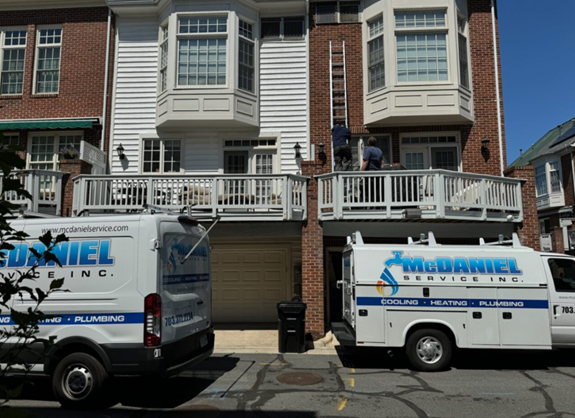
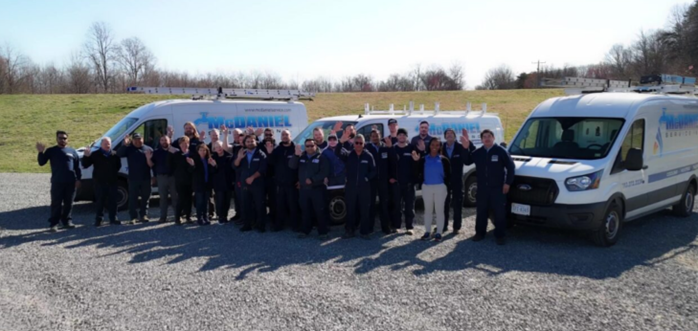
At McDaniel Service, Inc., we serve Springfield, VA and the surrounding areas with reliable HVAC and plumbing services. We see the effects of hard water in local homes and businesses every day, and while these issues usually build slowly, the long-term results can be costly. When you better understand how hard water affects your plumbing, you can protect your home, extend the life of your equipment, and avoid expensive repairs.
What Is Hard Water and Why Is It Common in Northern Virginia?
Hard water contains high levels of dissolved minerals, mainly calcium and magnesium. These minerals enter the water supply as groundwater passes through limestone and other mineral-rich rock formations, which are common throughout Northern Virginia.
Municipal water treatment facilities focus on making water safe to drink, not removing hardness minerals. As a result, most homes in the region receive water that is classified as moderately hard to very hard.
While hard water is safe for daily use, the minerals do not simply disappear. Over time, they settle inside pipes, fixtures, and appliances, creating buildup that interferes with normal operation.
Mineral Buildup Inside Pipes
One of the biggest issues caused by hard water is scale buildup inside plumbing pipes. As water flows through your system, minerals stick to the inner walls of the pipes and slowly harden.
This buildup reduces the internal diameter of the pipe, which leads to several problems:
- Reduced water pressure
- Slower drainage
- Increased strain on plumbing joints
- Higher risk of clogs
In older homes throughout Northern Virginia, scale buildup can combine with aging pipes and significantly increase the chance of leaks or pipe failure.
Damage to Water Heaters
Water heaters are especially vulnerable to hard water. As water is heated, calcium and magnesium separate from the water and settle at the bottom of the tank or coat internal components.
Over time, this buildup causes:
- Reduced heating efficiency
- Longer recovery times
- Higher energy bills
- Overheating of heating elements
- Premature tank failure
Tank-style water heaters often develop a thick layer of sediment at the bottom, which acts as insulation between the burner and the water. This forces the system to work harder to produce hot water. Tankless water heaters are not immune either. Scale can clog heat exchangers and restrict water flow, leading to error codes and shutdowns.
Shortened Lifespan of Plumbing Fixtures
Hard water leaves behind mineral deposits on faucets, showerheads, and valves. These deposits can clog small openings and interfere with moving parts. Common fixture problems caused by hard water include dripping faucets, uneven spray patterns, stiff or stuck handles, and frequent cartridge or valve replacements.
What typically starts as a cosmetic issue often turns into functional damage. Replacing fixtures more often than expected adds up over time.
Increased Wear on Appliances
Any appliance that uses water is affected by hard water. Dishwashers, washing machines, ice makers, and humidifiers all experience internal mineral buildup.
This buildup can lead to:
- Reduced efficiency
- Poor cleaning performance
- More frequent breakdowns
- Shortened appliance lifespan
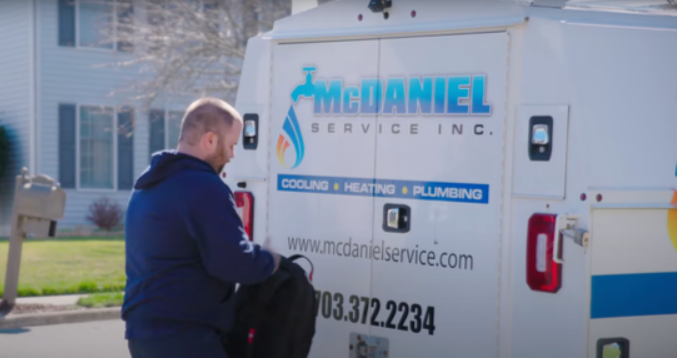
For homeowners in Northern Virginia, this often means replacing expensive appliances years earlier than anticipated. Regular maintenance can help, but it does not fully eliminate the effects of hard water.
Higher Energy and Utility Costs
Hard water does not just damage equipment. It also increases your monthly utility bills. When mineral buildup reduces efficiency, systems need more energy to do the same job. For example, your heater may require more gas or electricity to run, pumps may need to work harder to maintain pressure, and appliances may run longer cycles to compensate for reduced performance.
These small inefficiencies add up month after month, often without homeowners realizing why their bills keep climbing.
Soap and Detergent Inefficiency
Hard water makes it harder for soap and detergent to dissolve properly. Minerals bind to soap molecules, reducing their ability to clean. This can result in soap scum on sinks, tubs, and showers, cloudy dishes and glassware, stiff or faded laundry, or increased detergent use.
Many homeowners respond by using more soap, which can actually worsen residue buildup inside plumbing and appliances.
Hidden Plumbing Leaks and Corrosion Risks
While hard water minerals themselves are not corrosive, scale buildup can create uneven pressure and temperature conditions inside pipes. Over time, this stress increases the risk of small leaks, especially at joints and fittings.
In some cases, scale can trap moisture against pipe surfaces, accelerating wear and contributing to hidden leaks behind walls or under floors. These types of leaks often go unnoticed until significant damage has already occurred.
How a Water Softener Helps Protect Your System
A whole-home water softener removes excess calcium and magnesium before water enters your plumbing system. This simple change can dramatically reduce scale buildup and extend the life of your plumbing and appliances.
Benefits of a water softener include:
- Improved water heater efficiency
- Longer appliance lifespan
- Better water pressure over time
- Reduced maintenance and repair costs
- Cleaner fixtures and softer laundry
For many Northern Virginia homeowners, installing a water softener is a long-term investment that pays for itself through lower repair and replacement expenses. Need help getting the services you need? McDaniel Service offers easy financing through GreenSky, with options to fit most budgets.
At McDaniel Service, we offer multiple water treatment systems for homes in Northern Virginia. Depending on your budget, home size, and personal preferences, you may want to consider water softeners, whole-home filtration systems, reverse osmosis (RO) systems, iron and sulfur filters, or UV water purification. Our team will spend time explaining these options, their benefits, and the maintenance requirements of each.
Maintenance Still Matters
Even with a water softener, routine plumbing and HVAC maintenance is important. Flushing water heaters, inspecting fixtures, and servicing equipment helps catch issues early and ensures everything operates efficiently.
Homes without water softeners benefit even more from regular maintenance, as technicians can remove buildup and identify early signs of hard water damage before major repairs are needed.
Protect Your Home from Hard Water Damage
Hard water is a fact of life in Northern Virginia, but the damage it causes does not have to be. From clogged pipes to failing water heaters, the effects are gradual but costly if left unchecked.
If you are concerned about hard water or want to protect the plumbing and water heater system in your Northern Virginia home or business, contact McDaniel Service. We can evaluate your water quality, recommend practical solutions, and keep your home running efficiently for years to come.