Your Water Might Be the Problem You Haven’t Thought About Yet
You scrub the faucet. The white crust comes back in three days. You replaced the water heater two years early. The dishwasher just stopped cleaning right.
Sound familiar?
Hard water is one of the most frustrating, sneaky problems Northern Virginia homeowners deal with — and most people don’t even realize water quality is behind it. Here’s the thing: it’s not just an annoyance. It’s quietly costing you money every single month.
This article breaks down exactly what hard water does to your home, why your plumbing takes the worst of it, and what you can actually do to fix it for good.
What “Hard Water” Actually Means (And Why It Matters)
Water picks up minerals — mostly calcium and magnesium — as it moves through rock and soil. By the time it reaches your tap, it’s carrying those minerals with it. That’s hard water.
Northern Virginia’s water supply is notoriously high in mineral content. It’s safe to drink. But over time, it does real damage.
Those minerals don’t just rinse away. They build up.
The Scale Problem Is Worse Than It Looks
That white, chalky residue on your faucets? That’s limescale — and it’s happening inside your pipes and appliances too, where you can’t see it.
Inside a water heater, scale buildup acts like insulation — in the worst way. Your heater has to work harder and longer to heat the same amount of water. That means higher energy bills and a unit that burns out years before it should.
Inside pipes, scale narrows the flow over time. Water pressure drops. Clogs get easier to form. Repairs become more frequent.
It’s frustrating when you keep fixing symptoms without addressing the root cause.
How Hard Water Damages Your Home, Room by Room
Here’s a quick look at the damage hard water causes across a typical home:
| Location | What Hard Water Does | Estimated Impact |
| Water Heater | Scale buildup reduces efficiency | Up to 29% energy loss; lifespan cut by 25–50% |
| Dishwasher | Mineral deposits clog spray arms | Poor cleaning, early breakdowns |
| Washing Machine | Scale damages seals and heating elements | Shortened lifespan, faded clothes |
| Faucets & Fixtures | Limescale clogs aerators and valves | Reduced water pressure, corrosion |
| Pipes | Internal buildup narrows diameter | Lower pressure, higher clog risk |
| Skin & Hair | Minerals strip natural oils | Dryness, irritation, dull hair |
Look at that list. Every room in your house is affected.
The exception is if your home is relatively new and on a treated municipal supply with lower mineral content — but even then, testing is the only way to know for sure.
The Real Cost Nobody Talks About
You might feel overwhelmed by the idea of adding another home improvement project to your list. That’s understandable.
But here’s what matters: doing nothing is more expensive.
The U.S. Department of Energy has found that just a quarter-inch of scale inside a water heater can increase energy consumption by up to 40%. Most homeowners replace a water heater every 8–12 years under normal conditions. Hard water can cut that to 5–7 years.
Multiply that cost across every appliance in your home. Add up the cleaning products, the service calls, the higher utility bills.
Water treatment isn’t an upgrade. It’s damage prevention.
What Actually Works: Water Treatment Options Explained
There are a few real solutions for hard water — and they’re not all the same.
Whole-Home Water Softeners
A water softener uses a process called ion exchange to swap calcium and magnesium ions for sodium ions. The result? Soft water that flows to every tap, every appliance, every showerhead in your home.
This is the most comprehensive fix for hard water damage to plumbing and appliances.
Softened water extends appliance lifespan, reduces soap scum, makes hair and skin feel better, and noticeably lowers energy bills over time. Homeowners who make the switch are usually relieved — they can’t believe the difference.
Whole-Home Water Filtration
Filtration goes beyond softening. It removes a broader range of contaminants — sediment, chlorine, certain heavy metals — in addition to managing hardness.
This is worth considering if you have concerns about overall water quality, not just scale buildup.
Reverse Osmosis (Point-of-Use)
Reverse osmosis (RO) systems are typically installed at a single tap — usually under the kitchen sink — and provide highly purified drinking water. They don’t treat water for the whole house, so they won’t prevent appliance scale.
Think of RO as a complement to a whole-home system, not a replacement.
How to Know What Your Water Actually Needs
Don’t guess. Test.
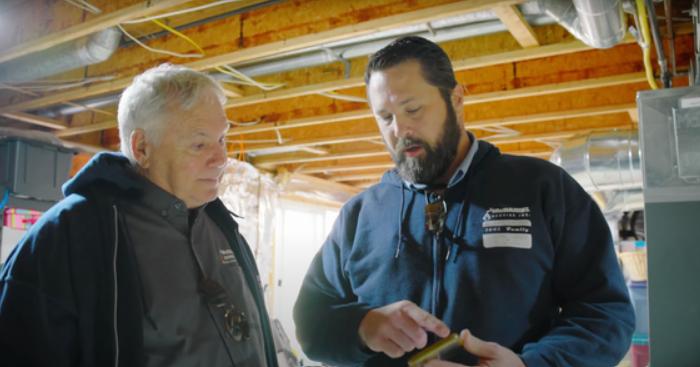
A professional water quality test tells you exactly what’s in your water — hardness level, pH, sediment, chlorine, and more. The results determine which solution actually fits your home.
This is exactly where McDaniel Service stands out. Rather than selling you the most expensive system, their approach is to diagnose first. You get upfront pricing, honest recommendations, and no upselling — a reputation backed by nearly 900 five-star reviews across Northern Virginia.
That matters when someone’s coming into your home and recommending work that affects your family’s water supply.
Choosing a Plumbing Partner You Can Actually Trust
Here’s the thing about water treatment — installation matters as much as the equipment.
A system installed incorrectly won’t perform. A system sized wrong for your home will underdeliver. And if something goes wrong, you want a company that’s accountable, not one that hides behind a call center.
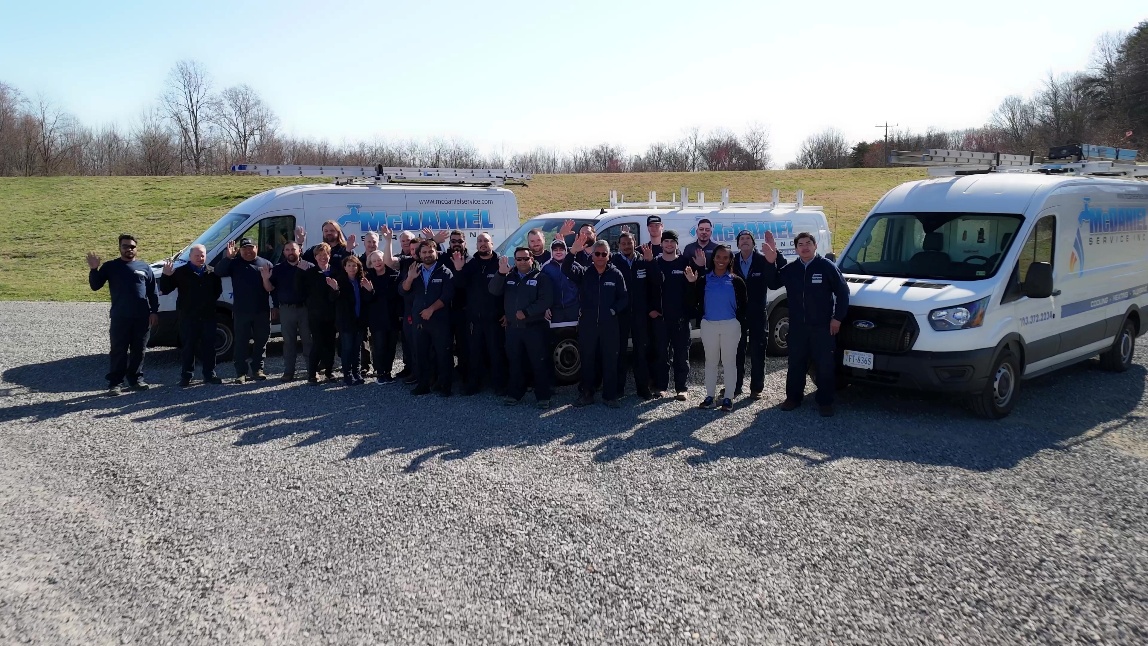
McDaniel Service has been serving Northern Virginia homeowners with family-owned accountability since 2010, with roots going back to 1969. No subcontractors. Named technicians who customers call back by name. A team with over 300 combined years of experience.
That’s not a slogan. It’s what shows up in their reviews.
When you’re dealing with something as essential as your home’s water, the relationship with your plumber matters as much as the fix itself.
Frequently Asked Questions
How do I know if I have hard water in Northern Virginia? The most reliable way is a professional water test, but common signs include white scale deposits on faucets, soap that won’t lather well, faded laundry, spots on dishes after washing, and water heaters that wear out faster than expected. Northern Virginia’s water is generally considered moderately to very hard, so if you’ve never tested, there’s a good chance hardness is a factor.
Will a water softener affect my plumbing fixtures? Softened water is actually gentler on plumbing. It reduces scale accumulation inside pipes and on fixtures, which extends their life and maintains better water pressure over time. The only consideration is that very old, corroded pipes can sometimes be affected when softened water loosens existing deposits — a plumber can assess this before installation.
How long does a whole-home water softener last? A quality water softener, properly installed and maintained, typically lasts 10–20 years. Regular salt refills and periodic resin cleaning are part of normal upkeep. Skipping maintenance shortens that window considerably.
Is a water softener different from a water filter? Yes. A water softener specifically targets hardness minerals (calcium and magnesium) through ion exchange. A water filter removes a broader range of contaminants including sediment, chlorine, and sometimes certain chemicals or heavy metals. Many homeowners benefit from both — a softener for appliance protection and a filter for drinking water quality.
Stop Letting Hard Water Win — Here’s Your Next Step
Hard water isn’t a minor inconvenience. It’s a slow drain on your appliances, your plumbing, your energy bills, and your patience.
The good news? It’s completely fixable.
Get your water tested. Know what you’re actually dealing with. Then work with a plumber who gives you honest answers and stands behind their work.
McDaniel Service has been solving exactly this problem for Northern Virginia homeowners for decades. If hard water has been quietly wearing down your home, it’s worth a call to find out what the right solution looks like for your specific situation.
Your home deserves better water. And you deserve a plumber who’ll tell you the truth about how to get it.