
Your Water Pressure Isn’t “Just Low” — Something Is Wrong
You turn on the shower and get a sad trickle. The kitchen faucet runs a little orange before it clears up. You’ve lived with it so long it almost feels normal.
It’s not normal. And it’s not a mystery, either.
If your home is more than 40–50 years old, there’s a real chance your plumbing is the problem — specifically, old galvanized steel pipes that are quietly corroding from the inside out. Left alone, they don’t get better. They get worse.
Here’s the good news: this is a totally solvable problem. This article breaks down exactly what’s happening inside your walls, how to recognize the warning signs, and what your options look like — including when it’s time to call in a professional plumber.
What Galvanized Pipes Actually Do to Your Water
Galvanized steel pipes were the standard in homes built before the 1970s. They’re steel pipes coated in zinc — and for a while, that zinc coating protects them. But water wears it down over time. Once the zinc is gone, the steel underneath starts rusting from the inside out.
Here’s where it gets frustrating. That corrosion doesn’t just sit there. It builds up on the interior walls of the pipe, slowly narrowing the passage your water travels through. Think of it like cholesterol in arteries — the flow gets choked off.
And the rust? It comes off in your water.
That’s the brown or reddish tint you see some mornings. That’s the staining in your sink. That’s what’s running through your dishwasher, your washing machine, your coffee maker. It’s not dangerous in small amounts, but it’s not great either — and it’s a clear signal that your pipes are failing.
The Warning Signs You Shouldn’t Ignore
Not sure if this is your problem? Look for these patterns.
Consistently low water pressure throughout the house. This is the big one. If your pressure used to be fine and has gradually dropped over the years, corroded pipes are a likely cause.
Uneven pressure from room to room. One bathroom has decent flow, another is weak. This points to localized buildup in specific pipe sections — classic galvanized behavior.
Discolored water, especially first thing in the morning. If the water runs brown or orange before clearing up, rust is getting into your supply line.
More frequent leaks. Once the interior corrodes enough, the pipe wall weakens. Pinhole leaks start showing up — at joints, elbows, or along straight runs.
Your home is 40+ years old and has never been repiped. If the original pipes are still in place, they’re almost certainly past their prime. Even if you haven’t noticed major problems yet, the clock is running.
Sound familiar? You’re not alone. This is one of the most common issues for homeowners in Northern Virginia’s older neighborhoods.
Repair vs. Replace: What’s the Real Answer?
This is where a lot of homeowners get stuck. Do you keep patching leaks one by one, or do you bite the bullet and repipe?
Here’s the thing — patching old galvanized pipes is like putting a bandage on a slow-motion problem. You fix one spot, another develops within a year or two. The underlying corrosion isn’t going away. You end up spending more over time and living with the low-pressure, discolored water situation the whole time.
That said, not every home needs a full repipe right away. Here’s a simple way to think about it.
| Situation | Recommended Action |
| One isolated leak, pipes otherwise solid | Targeted pipe repair |
| Multiple leaks in the past 2–3 years | Section replacement or full repipe assessment |
| Whole-house low pressure + discoloration | Whole-home repipe |
| Home 50+ years old, never repiped | Professional inspection + repipe planning |
| Recently purchased older home | Inspection to establish baseline condition |
A licensed plumber can assess your specific situation and give you an honest answer. That’s worth a lot — because a repipe is a real investment, and you deserve straight talk on whether it’s necessary right now or something you can plan for.
What a Modern Repipe Actually Looks Like
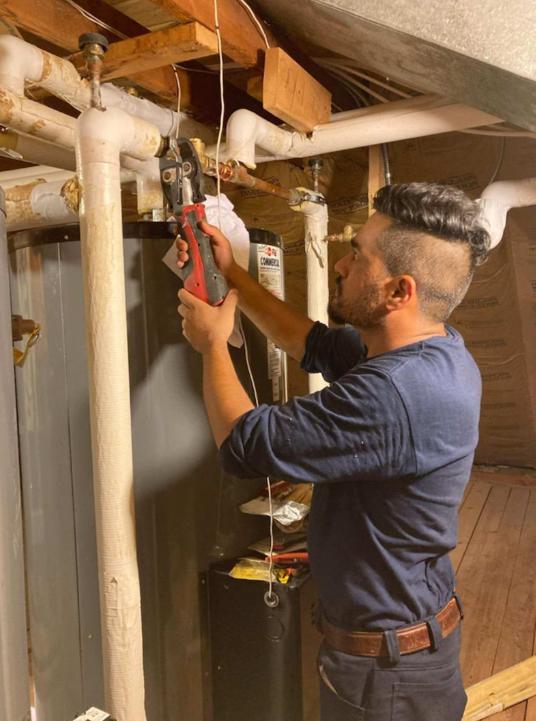
If a full repipe is the right call, here’s what happens. Your old galvanized pipes get replaced with either copper or PEX — two modern materials that resist corrosion and are built to last for decades.
Copper is durable, long-proven, and resists bacteria. It’s been the gold standard in residential plumbing for generations.
PEX (cross-linked polyethylene) is flexible, faster to install, and handles temperature shifts without cracking. In many cases it costs less to install than copper and is just as reliable over time.
The right choice depends on your home’s layout, your water chemistry, and your budget. A good plumber walks you through both options with honest pros and cons — no upselling, no pressure.
The process itself typically takes one to two days for an average home. Your plumber will work section by section, keeping disruption manageable. When it’s done, your water pressure should feel dramatically different. Like a different house.
What About Water Treatment? Here’s What Most Homeowners Miss
Here’s something a lot of articles skip over: even after you repipe, your water quality depends on what’s coming into your home from the municipal supply.
Northern Virginia water is treated, but it still contains minerals, chlorine, and other elements that can affect taste, feel, and appliance lifespan over time. If you’ve been dealing with hard water — scaling on fixtures, spots on dishes, skin that feels dry after showers — that doesn’t go away with new pipes.
A whole-home water treatment system handles what repiping can’t. Water softeners tackle hardness minerals. Filtration systems remove chlorine, sediment, and other impurities. Together, they protect your new pipes and make your water genuinely better.
It’s worth asking about during your plumbing assessment — especially if you’re already investing in a repipe.
Why Aging Infrastructure Is More Common Than You Think
If you’re frustrated, you’re in good company. Northern Virginia has tens of thousands of homes built between the 1950s and 1980s — and a huge portion of them still have their original plumbing. It’s one of the most common things licensed plumbers see in this area.
The problem is that aging infrastructure tends to fail gradually, not all at once. You get used to weak pressure. You figure the water “just runs brown for a second.” You stop noticing. And then one day you’ve got a leak inside a wall, or your water heater starts failing early because the incoming water is so mineral-heavy.
Catching it before that point is the smart move. An inspection is low-stakes. A wall leak is not.
Frequently Asked Questions
How long do galvanized pipes typically last?
Galvanized steel pipes generally have a lifespan of 40 to 50 years, though this varies depending on water quality and usage. Homes built before 1970 that haven’t been repiped are almost certainly dealing with pipes near or past the end of their useful life. If yours fall in this category, an inspection is a smart first step.
Can I repipe just one section instead of the whole house?
Yes — and sometimes that’s the right call. If damage is localized and the rest of your system is in decent shape, a section replacement can buy you years. But if your pipes are uniformly old and showing widespread corrosion, partial repairs tend to just move the problem around. A plumber can look at the full picture and help you decide.
Is discolored water dangerous?
Small amounts of iron and rust in tap water are generally not an immediate health hazard, but they’re a clear warning sign that your pipes are degrading. Over time, corroding pipes can also harbor bacteria in the buildup. Beyond health, discolored water damages appliances, stains fixtures, and degrades water quality throughout your home. It’s not something to ignore.
How do I know if my home needs a full repipe or just a repair?
The honest answer is: you need a professional assessment. A licensed plumber can inspect your pipe material, check pressure levels, look for corrosion, and give you a real picture of what you’re working with. At that point, you’ll have the information to make a confident decision — rather than guessing.
Stop Living With a Plumbing Problem That Has a Fix
Low pressure and brown water aren’t just annoyances. They’re your home telling you something is wrong. The longer it goes, the more expensive the eventual fix becomes.
The good news? This is one of the most straightforward categories of home repair. New pipes mean better water. Better water means better everything — cooking, cleaning, bathing, appliance life, peace of mind.
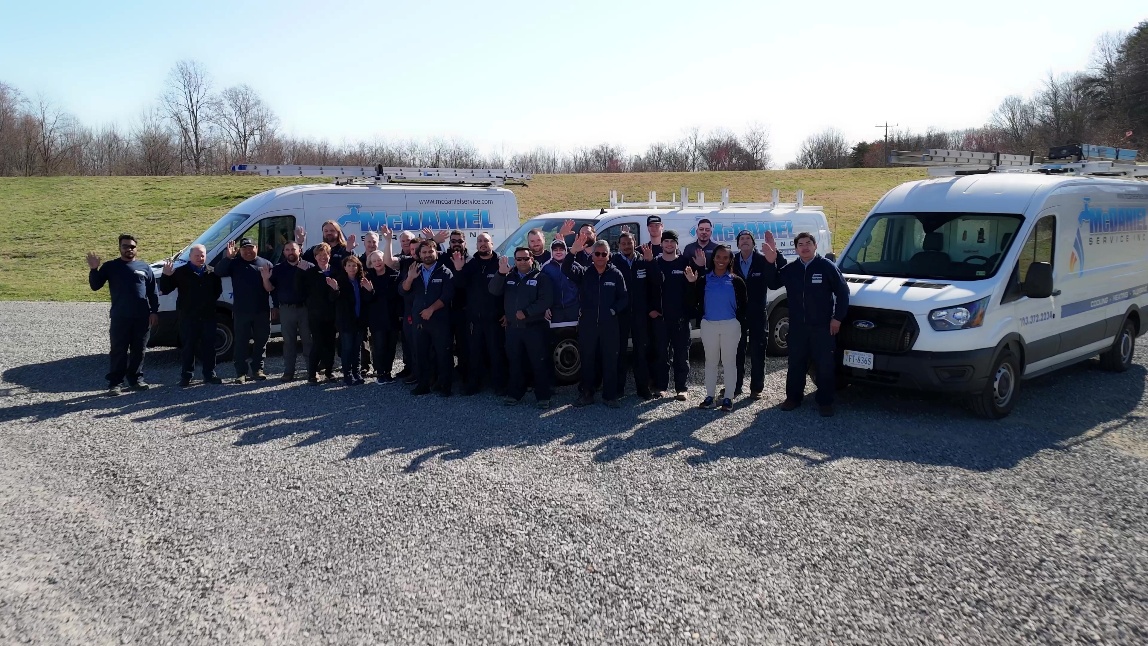
McDaniel Service, Inc. has been solving exactly this kind of problem for Northern Virginia homeowners since 2010, with a team that brings over 300 combined years of hands-on experience to every job. No subcontractors. Upfront pricing. No work done without your approval. That’s the way it should be.
Ready to find out what’s actually going on with your pipes? Schedule an assessment with McDaniel Service and get a straight answer from people who know this stuff inside and out.
Your home deserves water that works. So do you.