Your Pipes Just Burst — Don’t Panic, Do This
Water is spraying. Your floors are soaking. Your heart is racing.
A burst pipe is one of the most stressful moments a homeowner can face. Every second feels like another inch of water creeping toward your furniture, your walls, your belongings. It’s overwhelming. It’s scary. And if you don’t act fast, it gets expensive — fast.
Here’s the good news: there are clear, simple steps you can take right now to stop the damage and protect your home. Let’s walk through them together.
Shut Off the Water — This Is Step One, Always
The very first thing you need to do? Kill the water supply.
Find your main shutoff valve. In most Northern Virginia homes, it’s either in the basement, near the water heater, or outside by the foundation. Turn it clockwise until it stops. Done.
No water flowing means no more water damage. Everything after this is cleanup and repair — and that’s manageable.
If you can’t find your shutoff valve, call your local water utility’s emergency line. They can shut it off at the street.
Get the Water Off Your Floors Before It Spreads
Once the supply is off, grab every towel, mop, and bucket you own.
Soak up as much standing water as you can. This matters more than you think. Water sitting on hardwood floors for even 30 minutes can cause warping. Drywall starts absorbing moisture almost immediately. The faster you remove standing water, the less damage you’re dealing with later.
Open windows. Turn on fans. If you have a wet/dry shop vac, now is the time to use it.
Document Everything Before You Clean Up
Sound familiar — that sinking feeling when you realize you forgot to take photos?
Before you scrub a single surface, pull out your phone and take pictures of everything. Every soaked wall. Every puddle. Every damaged item. This documentation is critical for your homeowner’s insurance claim.
Don’t skip this step. Insurance adjusters need visual proof, and photos taken after cleanup won’t tell the whole story.
What Causes Pipes to Burst? (And What to Watch For)
Understanding the “why” helps you prevent the next one.
| Cause | How Common | Warning Signs |
| Frozen pipes | Very common in winter | Reduced water flow, frost on pipes |
| Corrosion/age | Common in older homes | Rust-colored water, low pressure |
| High water pressure | Often overlooked | Banging pipes, frequent leaks |
| Physical damage | Less common | Visible dents or cracks on pipes |
| Tree root intrusion | Gradual, underground | Slow drains, wet spots in yard |
Here’s the thing — most burst pipes don’t happen out of nowhere. They give warning signs for weeks or months before they let go. Getting a professional plumbing inspection once a year can catch these issues long before they turn into a flooded living room.
Should You Try to Fix It Yourself?
This doesn’t work if you have a major pipe rupture, significant water damage, or any uncertainty about what you’re looking at.
Small drips from a compression fitting? Maybe a DIY fix is reasonable. But a burst pipe — especially one that’s caused active flooding — needs a licensed plumber. The pipe itself is just the start. There may be water trapped inside walls, insulation damage, or compromised electrical systems nearby.
Getting this wrong the second time is far more expensive than getting it right the first time.
When to Call a Plumber Immediately
Call right now if any of these apply:
You can’t locate or operate the main shutoff valve. Water is still flowing despite your best efforts. The burst pipe is near your electrical panel or outlets. You see water stains spreading across ceilings or walls. You smell mold or mildew anywhere in the affected area.
These are not “wait until morning” situations.
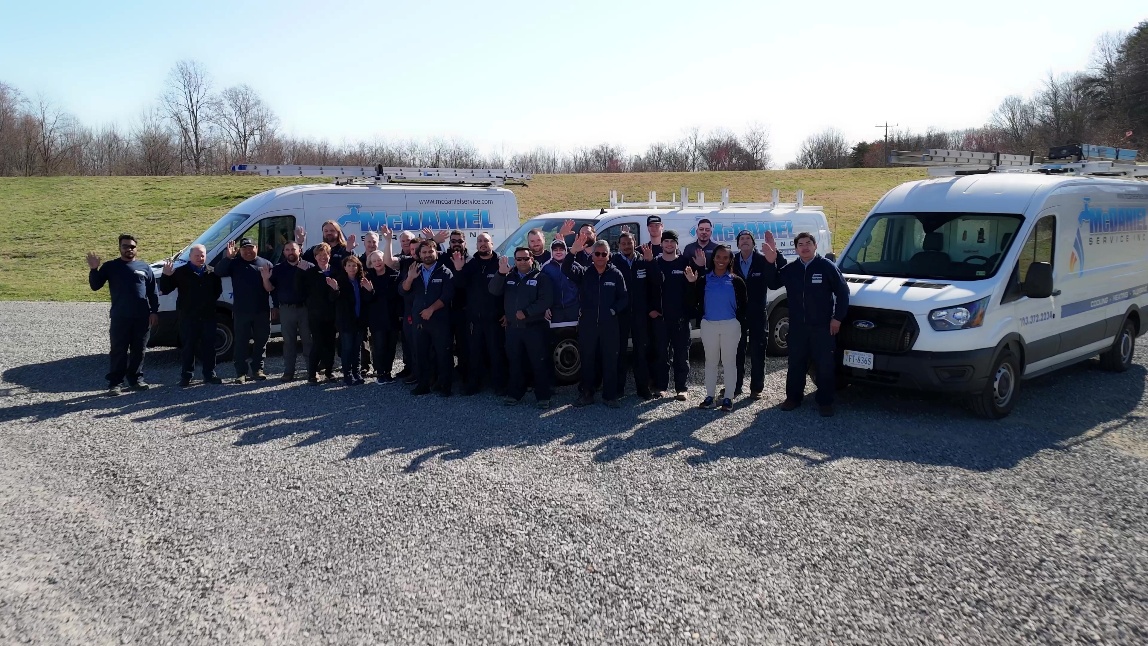
McDaniel Service offers emergency plumbing service across Northern Virginia — with licensed, background-checked technicians who show up fast and give you upfront pricing before any work begins. No surprises. No runaround.
What a Professional Plumber Does That You Can’t
Look, a good plumber doesn’t just swap out the broken section and leave.
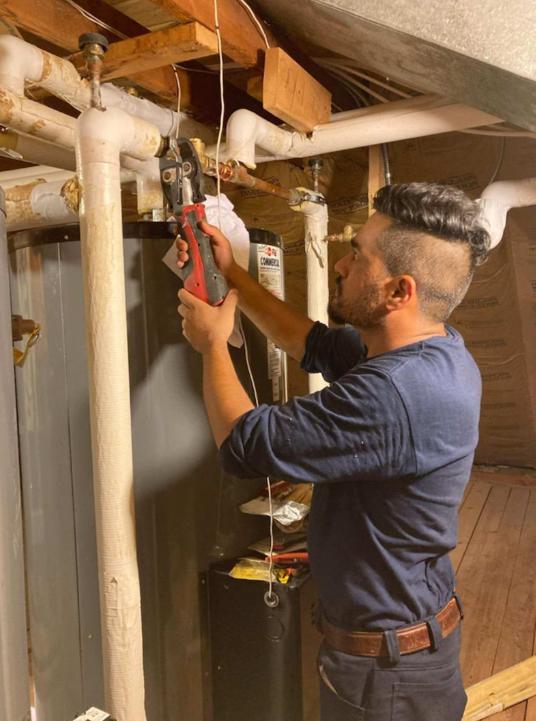
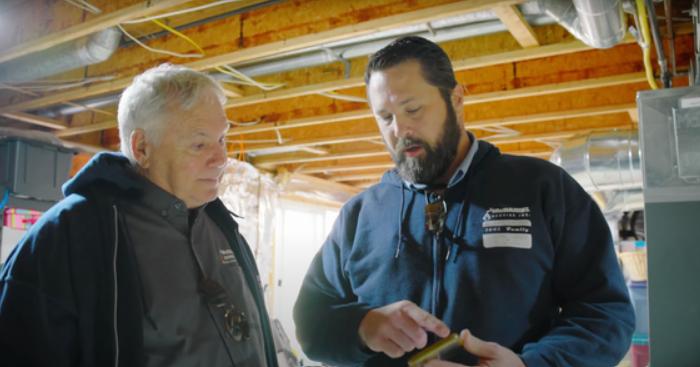
A trained technician will identify why the pipe failed. They’ll check the surrounding pipes for corrosion or stress. They’ll look for hidden water damage inside walls using moisture meters. And they’ll tell you — honestly — if there are other issues that need attention.
That last part matters. McDaniel Service technicians are specifically praised in customer reviews for not upselling. They’ll tell you what needs fixing now and what can wait — and they won’t pressure you either way.
That’s the kind of straight-shooting you need when your house is flooded and you’re already stressed out.
How to Prevent This From Happening Again
Relief is a powerful motivator. Once the crisis is over, use that energy to make a plan.
Schedule a whole-home plumbing inspection. Ask your plumber to check water pressure — it should be between 40 and 60 PSI. Install a water pressure regulator if yours runs high. If you live somewhere that gets freezing temps, insulate any pipes in unheated spaces like crawlspaces or garages.
Consider signing up for a recurring maintenance plan. McDaniel Service’s EliteMembers program, for example, includes priority scheduling and proactive checkups — the kind of thing that catches a corroding pipe before it becomes a midnight emergency.
Frequently Asked Questions
How long does it take to fix a burst pipe? Most straightforward burst pipe repairs take between one and three hours for a licensed plumber. The timeline depends on pipe location, accessibility, and whether any water damage repair is needed. Hidden pipes inside walls or under concrete take longer. A plumber can give you a realistic timeframe after seeing the damage in person.
Will my homeowner’s insurance cover a burst pipe? Usually, yes — if the burst was sudden and accidental. Most standard homeowner’s policies cover water damage from a burst pipe. However, damage caused by neglect or gradual leaks that went unaddressed may not be covered. Document everything immediately and call your insurance company as soon as the emergency is under control.
What’s the difference between a plumbing emergency and a regular service call? An emergency is anything actively causing water damage, posing a health risk, or leaving you without water or sewage service. Burst pipes, sewage backups, and water heater failures qualify. A dripping faucet or slow drain is a regular service call — important, but not something that needs a 2 a.m. response.
How do I know if my pipes are at risk of bursting? Age is the biggest factor. Galvanized steel pipes in homes built before 1980 are particularly vulnerable. Signs of trouble include rust-colored water, reduced flow, visible corrosion on exposed pipes, unexplained increases in your water bill, or damp spots on walls and ceilings. An annual plumbing inspection is the best way to stay ahead of it.
Don’t Let a Burst Pipe Turn Into a Bigger Disaster
You now know exactly what to do: shut off the water, document the damage, and call a licensed plumber fast.
The difference between a $500 repair and a $15,000 restoration often comes down to how quickly you act — and who you call.
If you’re in Northern Virginia and you’re dealing with a plumbing emergency right now, McDaniel Service is ready. Their team of named, vetted technicians has been solving exactly these situations for decades. Upfront pricing. No subcontractors. A family name on the line — which means they treat your home like it’s their own.
Call them. Get it fixed. Breathe.