
Your Listing Is Ready. Is Your AC Going to Blow the Deal?
You’ve decluttered. You’ve deep-cleaned. The yard looks great. Then the home inspector shows up — and suddenly your air conditioning system is the center of everyone’s attention.
Sound familiar?
Here’s the thing: HVAC problems are one of the top reasons home sales fall through or get renegotiated at the last minute. Buyers get nervous. Lenders sometimes get involved. And you end up either dropping your price or scrambling to find a contractor fast.
The pressure is real. But you’re not powerless.
This guide breaks down exactly what sellers need to know about air conditioning before they list — so you can stay in control of your sale instead of reacting to it.
What Inspectors Actually Look For in Your AC System
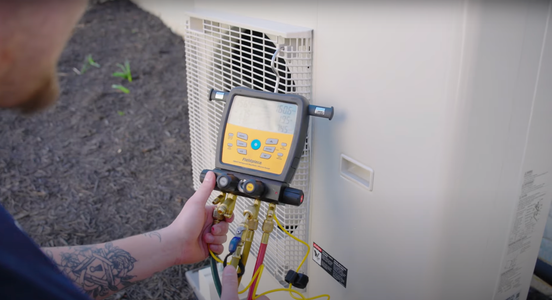
Home inspectors aren’t HVAC technicians. But they know enough to flag problems — and flagged problems scare buyers.
Here’s what they check, every time.
Age of the system. Most central air conditioners last 15–20 years. If yours is pushing that range, expect it to come up in the report. Buyers see “aging unit” and immediately start calculating replacement costs.
Is it cooling properly? Inspectors run the system and check whether it actually brings the temperature down. If the house won’t cool to a reasonable level during the test, that’s a red flag in writing.
Refrigerant levels and leaks. Low refrigerant usually means there’s a leak somewhere. That’s not a cheap fix, and it shows up clearly in an inspection.
Electrical connections and the disconnect box. Loose wiring, corroded connections, or improper installations create fire risk. Inspectors take this seriously.
Drainage and condensate lines. A clogged drain line causes water damage. Inspectors check for standing water, rust stains, and moisture around the air handler.
Filter condition. This one seems small, but a visibly filthy filter signals to buyers that the system hasn’t been cared for. First impressions matter, even for HVAC.
The Problems That Kill Deals (And How to Spot Them First)
It’s frustrating when a deal falls apart over something you could have fixed in advance. The good news is most of these issues show up before an inspector ever walks through your door — if you know what to look for.
The System Takes Forever to Cool Down
Your AC running constantly without ever reaching the set temperature is a sign of trouble. It could be low refrigerant, a failing compressor, or ductwork leaks. Whatever the cause, it’s noticeable — and buyers will notice it too if they tour your home on a hot day.
You’ve Got Warm Rooms
Uneven cooling is one of the most common complaints homeowners have. One room is fine, another is sweltering. This often points to duct problems, an undersized unit, or blocked vents. Don’t assume buyers won’t pick up on it. They will.
Strange Sounds Coming from the Unit
Grinding, banging, squealing — none of these are background noise. These sounds usually mean something mechanical is failing. A system that sounds unhealthy is going to make buyers walk away or negotiate hard.
The Unit Is More Than 12–15 Years Old
You don’t necessarily have to replace an older system. But you do need to know its condition before listing. Get a professional assessment. If it checks out, that documentation becomes a selling point. If it doesn’t, better to know now.
What Sellers Should Do Before Listing: A Practical Checklist
| Task | Why It Matters | When to Do It |
| Schedule a pre-listing AC tune-up | Identifies issues before the inspector does | 4–6 weeks before listing |
| Replace the air filter | Signals good maintenance to buyers and inspectors | Immediately |
| Clear debris around the outdoor unit | Poor airflow causes performance problems | 2–4 weeks before listing |
| Test the thermostat | A malfunctioning thermostat is an easy fix that looks bad | Before photos and showings |
| Check for water stains near the air handler | May indicate a drainage issue or past leak | As soon as possible |
| Get documentation of recent service | Gives buyers confidence the system has been maintained | Before listing |
A pre-listing HVAC tune-up is probably the single smartest thing you can do before you list. It’s not expensive. It gives you real information to work with. And if something minor needs fixing, you can take care of it on your schedule instead of under pressure during contract negotiations.
Should You Replace the AC Before Selling?
Not always. But you need to think through it clearly.
Look, replacement is a significant investment — often $5,000 to $10,000 or more depending on the system size and your home. Whether it makes sense depends on a few things.
Age and condition matter most. A 10-year-old system in good working order, properly serviced, with documentation? That’s a selling point. A 20-year-old unit with a history of repairs that’s clearly on its last legs? Buyers are going to price that in whether you replace it or not.
Consider your market. In a competitive seller’s market, buyers may overlook an older system. In a slower market, it becomes a negotiating chip — and not in your favor.
Get a real assessment first. Don’t guess. Have a licensed HVAC technician evaluate the system and give you an honest answer about expected remaining life. That information is worth more than any estimate you’ll find online.
The exception is if the system has already failed or is clearly not functional. In that case, you’re almost always better off replacing it than trying to sell with a broken AC.
Why Northern Virginia Homes Demand a Working AC
This isn’t just a comfort issue. Virginia summers are serious.
Temperatures routinely climb into the 90s, and humidity makes it feel worse. Buyers touring homes in June, July, and August are walking through with that reality in mind. A house that’s hot and stuffy during a showing leaves a lasting impression — and not a good one.
Beyond the showing experience, buyers and their agents know that replacing an AC system is a major line item. They’re going to bring it up. If you’ve already handled it, or can show documentation that it’s been properly serviced and is in good condition, you take that card out of their hand.
Our air conditioning services are built specifically for Northern Virginia’s climate demands — which means we know exactly what your system needs to perform through a selling season.
Frequently Asked Questions
How much does a pre-listing HVAC inspection typically cost?
A professional tune-up and inspection from a licensed HVAC company usually runs between $80 and $150 for a standard residential system. That’s a small number compared to what a surprise problem costs you during negotiations. Some companies, including McDaniel Service, offer maintenance plans that cover this kind of visit as part of ongoing service. It’s money well spent before you list.
Can I just disclose the AC issue instead of fixing it?
You can. Disclosure is legally required anyway if you know of a problem. But disclosure without a fix shifts the negotiation to the buyer — and buyers almost always overestimate repair costs when they’re pricing in risk. Fixing the issue first typically returns more than its cost through a stronger sale price and fewer contingencies.
What if the inspector flags something but it’s not actually a big problem?
This happens more than you’d think. Inspectors flag what they see — they’re not always in a position to assess severity. If something gets flagged, get a licensed HVAC technician’s written assessment of the actual condition and cost to address. That documentation goes a long way toward calming buyer concerns and keeping the deal intact.
How long does an air conditioning repair or tune-up take before a listing?
Most tune-ups take a couple of hours. Minor repairs — refrigerant recharge, capacitor replacement, drain line clearing — are often same-day. More significant repairs or a full system replacement require more lead time, which is why starting 4–6 weeks before your target listing date gives you the flexibility you need.
Don’t Let Your AC Derail a Sale You’ve Worked Hard For
You’ve put real effort into getting your home ready to sell. Don’t let an HVAC problem undo it at the worst possible moment.
The sellers who come out ahead are the ones who get ahead of issues before they show up in an inspection report. A simple pre-listing tune-up gives you the information and the documentation to go into your sale with confidence.
If you’re listing a home in Northern Virginia and want an honest assessment of where your air conditioning system stands, contact McDaniel Service for a pre-listing HVAC inspection. No pressure. No upselling. Just a straight answer about what your system needs — and what it doesn’t.