Third Furnace Breakdown This Winter? Read This First
It’s a cold morning. The house is chilly, the furnace is clicking or silent, and you’re thinking, “Not again.”
If your older furnace keeps breaking down, you’re probably frustrated, and maybe a little worried about what the next repair will cost. Sound familiar?
Here’s the thing. Not every old furnace needs to be replaced, and not every repair is a waste of money. The trick is knowing which situation you’re in. In this guide, you’ll learn why aging furnaces fail over and over, how to tell a smart furnace repair from a money pit, and what to ask before you say yes to any quote.
Why Does an Older Furnace Keep Breaking Down?
Furnaces are tough, but they don’t last forever. Most gas furnaces run about 15 to 20 years, and many start acting up well before that. Years of starting, stopping, and moving hot air wear out the parts inside.
Think of it like an old car. You can swap a battery and feel great. Then the alternator goes. Then a hose. Each fix is small, but the calls keep coming.
The usual suspects on an aging unit
A few parts cause most of the trouble. The igniter or flame sensor gets dirty or weak, so the furnace starts and then shuts off. The blower motor wears down and gets noisy. The control board or capacitor fails, so the unit won’t start at all. And a clogged filter or blocked vent can make the whole system overheat.
Some of these are cheap, quick fixes. Others are signs that the whole unit is tired. If you want a closer look at how these systems work, the page on gas furnaces is a good place to start.
Don’t forget the thermostat
Sometimes the furnace isn’t the culprit at all. An old thermostat can send mixed signals, which makes the heat turn on and off for no good reason. A newer WiFi or smart thermostat is a small upgrade that can rule out a whole category of headaches.
The Repair Bill Trap: When “Just One More Fix” Stops Making Sense
You might feel stuck. Spend money on a unit that’s on its way out? Or spend a lot more on a new one before you’re ready?
That’s a fair worry. So let’s make it simpler. Here are two rules of thumb that heating pros often use. The first is the 50 percent rule: if a repair costs half or more of what a new furnace would cost, replacement usually makes more sense. The second is to multiply the repair cost by the furnace’s age in years. If the number tops about $5,000, replacing it is often the better bet.
These are guides, not laws. The exception is a furnace that’s only 10 years old with one bad part. In that case, repair almost always wins.
Quick comparison: repair or replace?
| What you’re seeing | Likely smart move | Why |
| Furnace under 10 years old, one failed part | Repair | Plenty of life left |
| Furnace 12 to 15 years old, one repair this year | Repair, then watch closely | Still reasonable, but keep notes |
| Furnace 15+ years old, second or third repair in a season | Talk about replacement | Repairs are starting to stack up |
| Cracked heat exchanger | Replace | Safety risk, and the repair rarely pays off |
| Rising gas bills with no change in habits | Get it checked | Efficiency may be slipping |
| Uneven heat, loud bangs, or constant cycling | Inspect soon | Could be a small fix or a bigger problem |
Safety Comes Before Savings
Here’s what matters most. A furnace that burns fuel can create carbon monoxide if something’s wrong. A cracked heat exchanger is one cause.
You can’t see or smell carbon monoxide, so a working CO detector on every floor is a must. If the alarm sounds, get everyone outside and call for help. Don’t wait for a convenient time. For true no-heat situations, there’s a dedicated page for emergency heating service.
Even if your alarm stays quiet, be careful if you notice soot, a yellow or flickering flame, or a strange smell when the furnace kicks on. Those are signs to have a licensed technician look at it right away.
What a Good Furnace Repair Visit Should Look Like
Sometimes you just want to know someone’s being straight with you. You shouldn’t feel like you’re being sold to.
A trustworthy visit follows a pattern. The technician finds the cause, not just the symptom. They show you the failed part or explain it in plain words. You see the price in writing, and nothing gets started until you say yes.
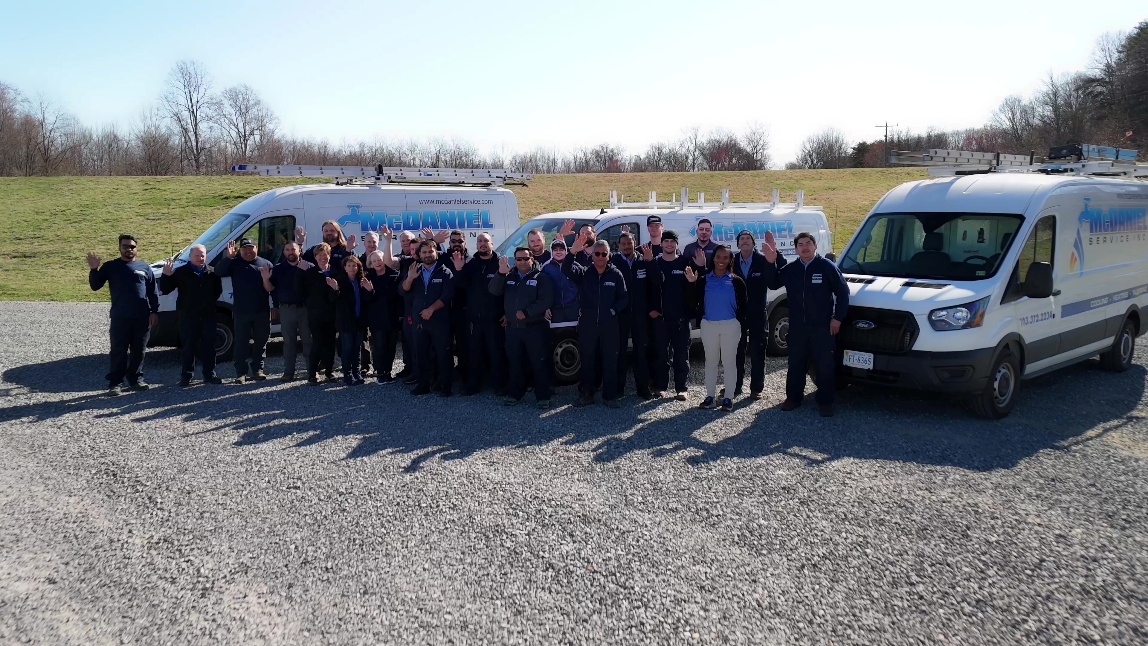
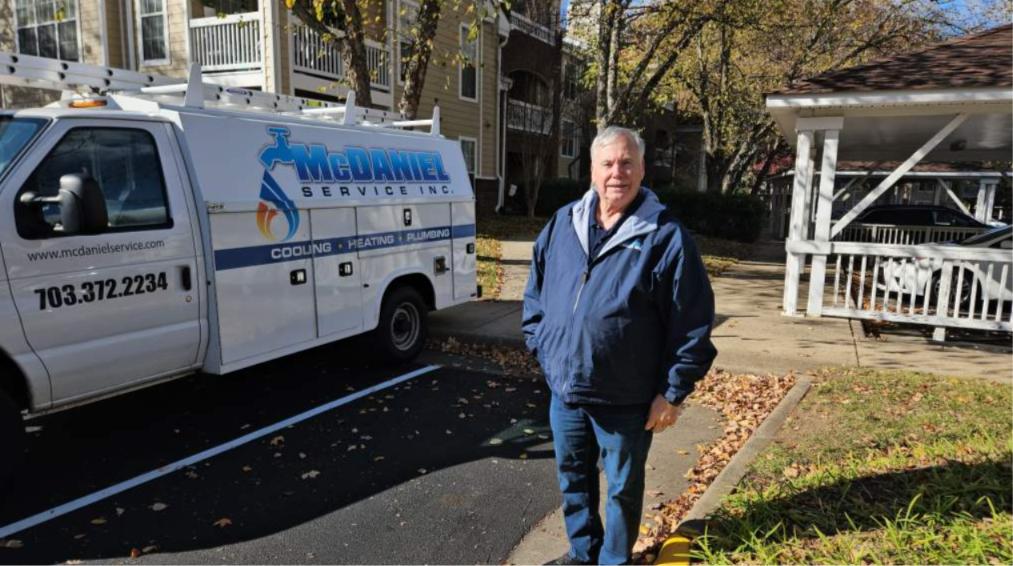
That last piece is a core promise at McDaniel Service, a Lorton-based company serving Northern Virginia. Bob McDaniel has worked in the trade since 1969, and his family still answers for the work. The team is 24 people with no subcontractors, so the person who shows up works for the company. You can even meet the team before anyone rings your doorbell.
The numbers back it up, too. The company holds a 4.9-star rating across more than 950 customer reviews, and many reviewers mention being explained to, not upsold. If you’ve never used them before, the free diagnosis offer for first-time customers credits the diagnostic fee toward an approved repair. Check the details when you call.
Questions worth asking any repair company
Before you approve work, ask a few simple things. What exactly failed, and why? Is this likely to happen again on a unit this age? What would happen if I waited on this repair? And is there a part you saw that’s wearing out but doesn’t need fixing today?
A good tech won’t mind any of that. In fact, they’ll probably respect it.
Can Maintenance Slow Down the Breakdowns?
Often, yes. But it isn’t magic.
A yearly tune-up can catch a weak igniter, a dirty flame sensor, or a worn belt before it leaves you cold at 6 a.m. Clean filters help the blower breathe. A cleaned burner area runs better and safer.
Here’s the honest part. Maintenance can’t turn a 22-year-old furnace into a new one. What it can do is help you avoid surprise failures and give you real information about how much life is left. That helps you plan a replacement on your schedule, not in the middle of a January cold snap.
If you’d like that checkup to happen without remembering to book it, look at the annual maintenance membership. It includes two HVAC inspections and one plumbing inspection each year, plus priority scheduling.
Dry winter air can make an old furnace work harder
While you’re thinking about comfort, consider your air. Dry indoor air makes a house feel colder than it is, so you crank the thermostat higher. A properly sized humidifier can help you stay comfortable at a lower setting. Better air filtration also keeps dust from clogging your system.
Replacing Without the Pressure
Maybe the numbers say replace. You might feel overwhelmed, and that’s normal. A new furnace is a big purchase.
Take a breath. You don’t have to decide on the spot. Ask for options, like a good, better, and best choice, along with an honest recommendation about which one fits your home and budget. Ask what you’d gain in comfort and efficiency, not just what it costs.
At McDaniel Service, the goal is to give you the facts and let you choose. No pushing. If a repair makes sense, they’ll say so. If it doesn’t, they’ll tell you that too. When it’s time, heating installation and replacement comes with free estimates, and financing options can spread out the cost. Not sure where you stand yet? You can request an estimate with no strings attached.
Is a heat pump worth a look?
It might be. Some homeowners replacing an old furnace also look at heat pumps, which heat and cool with one system. They don’t fit every home, so ask for an honest opinion before you decide.
A Simple Checklist in Plain English
Before you call anyone, walk through a short routine. Check that the thermostat is set to heat and has fresh batteries. Look at your air filter, and swap it if it’s dirty. Make sure the furnace switch is on and the breaker hasn’t tripped. Then check that vents and returns aren’t blocked by furniture or rugs.
If none of that helps, don’t keep resetting the unit again and again. Repeated resets can hide a real problem. It’s time for a professional.
Frequently Asked Questions
How do I know if my furnace is worth repairing?
Look at age, repair history, and cost. A furnace under 10 to 12 years old with a single failed part is usually worth fixing. A 15-year-plus unit with repeated breakdowns often isn’t. A technician can also check the heat exchanger and overall condition, which helps you decide with real facts.
Why does my furnace keep turning off and on?
Short cycling often comes from a dirty filter, a weak flame sensor, a blocked vent, or an overheating problem. Start with the filter. If the cycling continues, have a professional take a look, because overheating can damage other parts.
How long should a furnace last?
Most gas furnaces last about 15 to 20 years, depending on how well they were installed and maintained. Many homeowners start seeing more frequent problems in the last several years of that range.
Is it safe to run an old furnace that needs repair?
It depends on the problem. A bad thermostat is a nuisance. A cracked heat exchanger or a gas smell is a safety issue. If you suspect anything unsafe, turn off the unit, get fresh air, and call a licensed technician right away.
The Bottom Line: Stop the Guessing, Start With the Facts
Repeated breakdowns on an older furnace wear you down. You pay, you wait, and then it happens again. But you’ve got more control than it feels like.
Know the age of your unit. Track your repairs. Use the 50 percent and $5,000 rules as a starting point. Put safety first, and don’t be shy about asking for a clear explanation and a written price.
If your furnace is giving you trouble, call McDaniel Service at 703-372-2234 or send a message for an honest look. You’ll get straight answers from people who know their stuff, and you’ll decide what happens next. Not sure they cover your area? Check the service areas, including Lorton and Springfield.