The Furnace Always Picks the Worst Morning
It’s 7:15 a.m. on the first truly cold Monday of the year. Your staff shows up in coats and keeps them on. The thermostat says 54. Customers walk in, feel the chill, and walk right back out.
Sound familiar?
For a small business, a heating failure isn’t just uncomfortable. It’s lost sales, unhappy staff, and sometimes a forced closure. It’s frustrating, too, because it almost always happens at the worst possible moment.
Here’s the thing. Most of those breakdowns can be prevented. In this guide, you’ll learn why furnaces fail on cold mornings, what a real commercial tune-up covers, how to budget for it, and how to pick a contractor who won’t upsell you. Let’s get your building ready before winter tests it.
Why Your Furnace Waits for the First Cold Snap to Quit
Your furnace sits idle for months. Dust settles. Parts dry out. Small problems go unnoticed because nothing is asking the system to work.
Then the temperature drops, and suddenly it has to run hard, all day, every day. That’s when a weak part finally gives up.
The Hidden Wear You Can’t See
Commercial furnaces work harder than home units. They heat bigger spaces. Doors open and close all day as customers come and go. Many run on longer schedules too.
All that extra work speeds up wear on motors, belts, igniters, and flame sensors. A dirty flame sensor alone can make a furnace shut off over and over. That’s called short cycling, and it’s one of the most common calls techs get in fall.
Small Signs That Something’s Off
Pay attention to the clues. Uneven heat between rooms is one. Strange smells, rattling, or a burner flame that looks yellow instead of blue are others. Higher gas bills with no change in use can point to a problem too.
None of these mean disaster today. But they’re your furnace asking for help before it stops asking.
What Real Furnace Maintenance Actually Covers
Look, “tune-up” can mean anything. Some companies glance at the filter, hand you a bill, and leave. That’s not maintenance. That’s a drive-by.
Proper furnace maintenance is a step-by-step check of every part that keeps heat (and safety) working. Here’s what a thorough visit should include, and why each step matters to a business owner.
| What Gets Checked | What the Tech Does | Why It Matters for Your Business |
| Heat exchanger | Inspects for cracks and rust | Cracks can leak carbon monoxide into your space |
| Flame sensor and igniter | Cleans and tests | Stops random shutoffs on busy days |
| Burners | Cleans and checks flame quality | Better fuel use means lower gas bills |
| Blower motor and belt | Tests amp draw and belt tension | Prevents the “fan runs, no heat” failure |
| Air filter | Checks and replaces | Clean air and less strain on the system |
| Gas pressure and connections | Measures and leak-tests | Safety for staff and customers |
| Thermostat and controls | Tests settings and schedules | Heat comes on before people show up |
| Venting and flue | Checks for blockages | Exhaust gases go outside, not inside |
| Safety switches | Tests limit and rollout switches | The furnace shuts down safely if something goes wrong |
That heat exchanger line deserves a second look. A cracked heat exchanger is a safety problem, not just a comfort problem. Your employees and customers trust you to keep the building safe. A trained eye catches what a quick glance misses.
Filters Are a Bigger Deal Than You Think
Commercial spaces collect more dust, lint, and grease than homes. Restaurants, salons, and retail shops with heavy foot traffic can clog filters fast.
A clogged filter makes the blower strain. It can even trip the safety limit and shut the furnace down. Many businesses need filter checks every month during heating season, not once a year. If air quality is a concern, ask about air filtration upgrades.
The Real Cost of a Cold Building
Let’s talk money, because that’s what keeps owners up at night.
A tune-up is a planned, predictable expense. An emergency breakdown isn’t. You may pay after-hours rates, wait on parts, and lose a day (or more) of business.
Picture a small café. On a slow day, maybe you lose a few hundred dollars in sales. On a holiday weekend? Much more. Add staff you’re paying to stand around in a cold room, plus regulars who decide to go somewhere warmer. Some of them may not come back.
But here’s what matters most. You can’t schedule a breakdown. You can schedule maintenance. That means you pick the time, whether that’s before opening, after closing, or on your slowest weekday.
The Exception to the Rule
Maintenance isn’t magic. If your furnace is 20 years old with a cracked heat exchanger, no tune-up will save it.
In that case, an honest tech should tell you plainly. Repairs on very old equipment can turn into a money pit. Sometimes heating replacement is the smarter move, and financing options can make it easier to plan. The key word is honest. You want options, not a pitch.
When to Schedule Furnace Maintenance (Hint: Now)
Early fall is the sweet spot. September through early November gives you time to fix problems before the first deep freeze.
Wait until December, and you’re competing with every other building owner who also waited. Schedules fill up fast once the cold hits.
Timing It Around Your Business Hours
Ask your contractor about visits that work around your customers. A good team will plan the appointment so your doors stay open. Most furnace maintenance can be done without shutting down your operation for long.
Also, think about your thermostat settings. A programmable or smart thermostat can warm the building before staff arrive. It can also lower heat overnight to save on energy bills. Your tech can check these settings during the visit.
How to Pick a Furnace Maintenance Contractor You Can Trust
You might feel overwhelmed by the options. Every HVAC company says it’s “the best.” So how do you tell them apart?
Start with a few simple questions. Do they use their own employees, or do they send subcontractors? Will you see a price before work starts? Will the same tech come back next time?
These questions matter more for businesses than for most homeowners. You need a vendor who answers the phone. You need someone who knows your building and doesn’t make you explain your system from scratch every visit.
What Sets a Family Contractor Apart
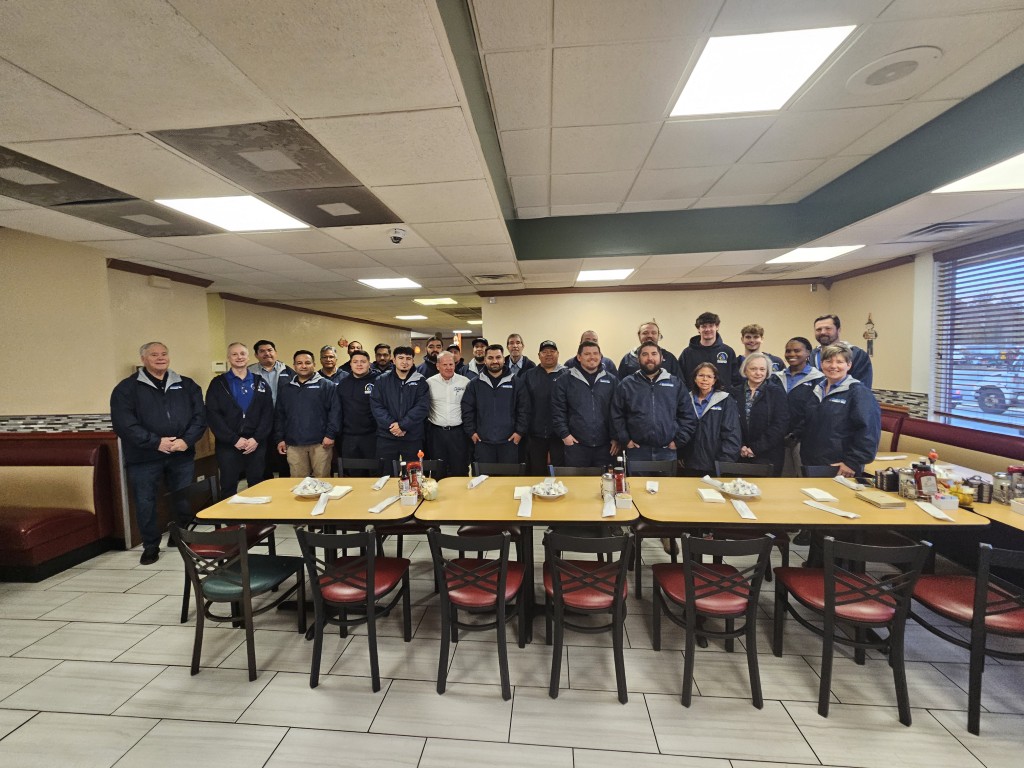
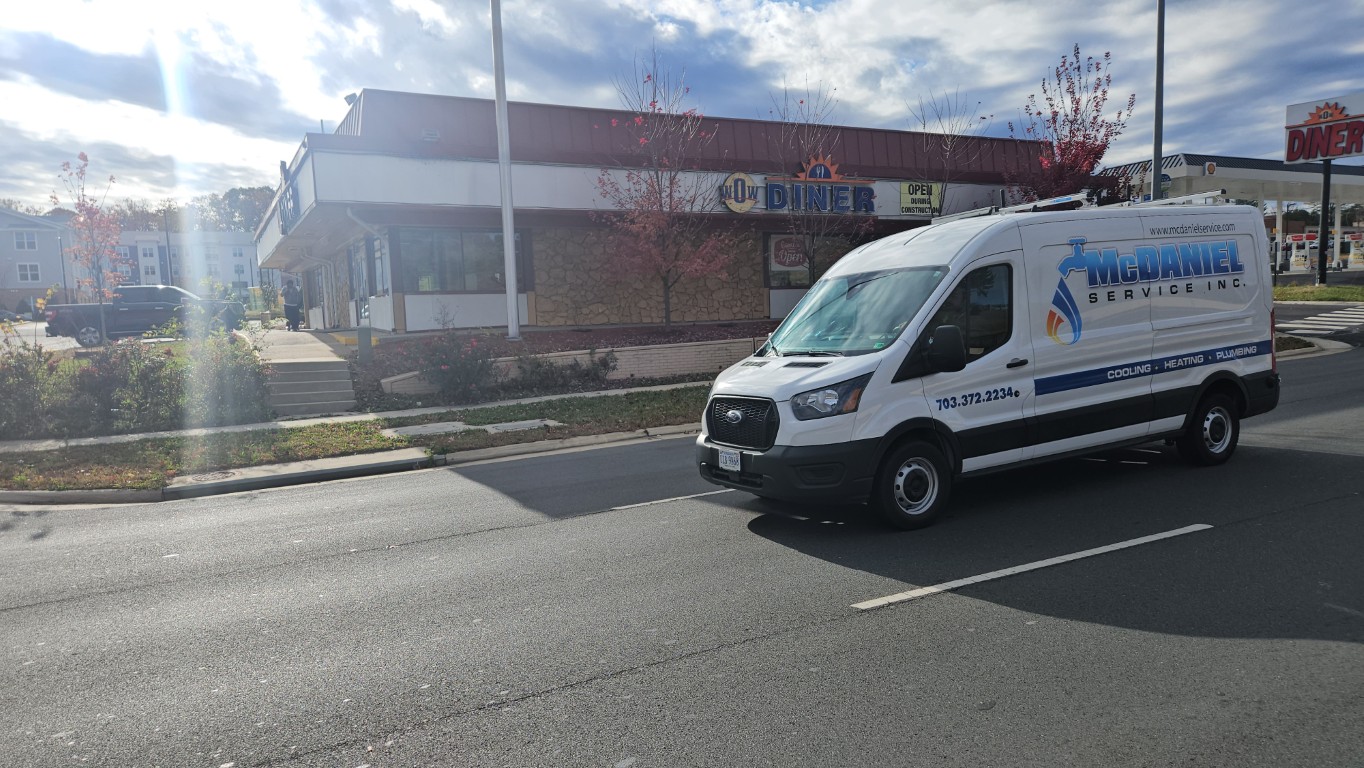
That’s where McDaniel Service comes in. Bob McDaniel has been in the trade since 1969. Today, Bob, his wife June, and their son Rob still run the company, and Rob brings more than 30 years of his own experience. When you call, you’re not reaching a faraway call center. You’re reaching a family whose name is on every truck.
Every person who works on your equipment is a McDaniel employee. No subcontractors, ever. The team holds Master and Class A licenses and trains through a state apprenticeship program. You can meet the team before they ever walk through your door.
And here’s the part customers keep bringing up. McDaniel Service gives you upfront pricing. You’ll see the price and approve it before they touch a thing. One first-time customer wrote that she was told what would need replacing soon, without being upsold on anything she didn’t need. That’s the kind of straight answer that earns a 4.9-star rating across more than 950 customer reviews.
Commercial Know-How Without the Runaround
From office suites to restaurants to server rooms, McDaniel Service handles commercial HVAC with the same care as residential work. If a problem does pop up mid-winter, emergency heating service is available around the clock.
Their heating repair and maintenance services cover gas furnaces, boilers, heat pumps, and ductless systems. One team, one point of contact, and people who will recognize your building next year.
Frequently Asked Questions
How often does a commercial furnace need maintenance?
At least once a year, ideally in early fall before heating season starts. Buildings with heavy foot traffic, kitchens, or long operating hours may benefit from a mid-winter check as well. Filters in these spaces often need monthly attention during cold months, since dust and grease build up faster than in a home.
Can furnace maintenance be done without closing my business?
Usually, yes. Most tune-ups take a short window and can be scheduled before opening, after closing, or during your slowest hours. Tell your contractor your busy times up front. A good team will plan around them so customers never notice.
What’s the biggest safety risk a tune-up can catch?
A cracked heat exchanger. It can let carbon monoxide escape into your building, and you can’t see or smell it. A trained technician inspects the heat exchanger during every visit. Pair maintenance with working carbon monoxide detectors for full peace of mind.
How do I know if I need repair or replacement?
Look at age, repair history, and the condition of major parts. If your furnace is near the end of its lifespan and needs a costly fix, replacement may save money over time. An honest technician will lay out both options, explain what can wait, and let you decide without pressure.
Warm Doors Stay Open
Let’s bring it home. Furnaces rarely fail out of nowhere. They fail after months of quiet wear, on the first cold day they’re asked to work hard. Regular furnace maintenance catches those weak spots early, protects your staff and customers, and keeps your doors open when it counts.
Schedule your tune-up in early fall. Ask for upfront pricing. Choose a contractor whose own people show up, explain what they find, and tell you what can wait.
Ready to stop worrying about the next cold snap? Request an estimate or send a message to set up your fall furnace check. Straight answers from people who know you, because service is their middle name.