The Phone Call No Lake House Owner Wants
It’s a Tuesday in January. You’re 200 miles away, sitting at your desk, when your phone buzzes. It’s your cleaner. “Hey, the house is freezing in here. Did you turn the heat off?”
You didn’t.
Sound familiar? For a lot of Smith Mountain Lake second-home owners, this is how furnace trouble shows up. Not from a warning light. Not from a smart alert. From a neighbor, a cleaner, or a dock guy who noticed frost on the inside of the windows.
Here’s the thing. A furnace in an empty house fails the same way a furnace in a full house does. The difference is that nobody’s there to notice the first strange noise or the first chilly morning. By the time you hear about it, a small problem may have turned into frozen pipes, water on the floor, and a repair bill that ruins your spring.
This guide walks you through what furnace maintenance really looks like for a part-time home. You’ll learn what tends to break when a house sits empty, what a good tune-up actually checks, when to book it, and how to set things up so you hear about problems first.
Why an Empty House Is Hard on a Furnace
You’d think a furnace that barely runs would last forever. It doesn’t work that way.
A lake house furnace often sits idle for weeks, then gets cranked up hard when the family arrives for a holiday weekend. That stop-and-start pattern is rough on parts. Ignitors crack. Flame sensors build up a thin coating and stop “seeing” the flame. The furnace tries to light, fails, tries again, and finally locks itself out.
In a home where people live full time, someone notices within hours. In your lake house? It could be days.
The Uninvited Winter Guests
Quiet houses near the water attract mice. They love the warm, protected space inside a furnace cabinet and the ductwork around it. They chew wires, build nests near the blower, and leave droppings that get pulled into the air you breathe when you come back.
Spiders and wasps do something similar with outdoor vents and intake pipes. A blocked intake on a high-efficiency furnace can shut the whole system down.
Lake Air and Moisture
Homes near the shoreline tend to deal with more humidity. Over time, that moisture can speed up rust on burners and metal parts inside the cabinet. High-efficiency furnaces also make their own water, called condensate. That water drains through a small line and sometimes a pump. If the drain clogs or the line freezes, many furnaces will shut off as a safety step.
It’s a smart feature. It’s also a frustrating one when nobody’s home to reset it.
What Real Furnace Maintenance Should Cover
Look, not every “tune-up” is the same. Some are a quick filter swap and a sticker on the cabinet. That’s not enough for a house you can’t keep an eye on.
A proper heating maintenance visit should include a full safety and performance check. Here’s what matters most for a second home, and why.
| What Gets Checked | What Goes Wrong If It’s Skipped | How You’d Likely Find Out Without Maintenance |
| Flame sensor and ignitor | Furnace tries to start, fails, and locks out | Cleaner or neighbor reports a cold house |
| Heat exchanger | Cracks can leak carbon monoxide into the home | CO alarm goes off, or worse, no alarm at all |
| Condensate drain and pump | Clogs or freezes, furnace shuts off | Water stains, or a cold house days later |
| Air filter | Airflow drops, furnace overheats and shuts down | Higher bills, dusty smell, short cycling |
| Venting and intake pipes | Nests or debris block airflow | Furnace won’t run at all |
| Wiring and blower area | Rodent damage causes shorts or failure | Burning smell or total shutdown |
| Gas pressure and burners | Poor burn, soot, wasted fuel | Yellow flame, sooty marks, high propane use |
| Thermostat and batteries | Dead batteries mean no call for heat | House drifts cold with nothing “broken” |
That last row surprises people. A dead thermostat battery can leave a perfectly healthy furnace sitting there doing nothing. It’s one of the cheapest problems to prevent and one of the most annoying to discover from three hours away.
A Quick Word on Carbon Monoxide
This one isn’t about convenience. It’s about safety.
A cracked heat exchanger can let carbon monoxide into your home. In a lake house, the risk can feel low because nobody’s there. But think about the first weekend you arrive with family, close up the house, and turn the heat way up. That’s exactly when a hidden problem matters most.
Make sure you have working CO alarms on every level and near bedrooms. And make sure your furnace gets inspected before that first big weekend.
When to Book It (Hint: Earlier Than You Think)
Most people call for furnace maintenance when it first gets cold. At Smith Mountain Lake, that’s often late October or November.
Here’s the problem. That’s when everyone else calls too.
For a second home, the best window is early fall, ideally September through mid-October. You get easier scheduling, time to fix anything the tech finds, and peace of mind before the first hard freeze. If you only visit the lake in summer, plan the appointment around your last trip of the season so you can be there, or arrange access ahead of time.
The exception is a heat pump with backup heat. Many lake homes use one, often paired with propane. Those systems work hard in both summer and winter, so a spring check for cooling and a fall check for heating makes sense. You can read more about heat pump service if that’s your setup.
Setting Up Your Lake House to Tell On Itself
Maintenance lowers the odds of a breakdown. It doesn’t make them zero. So the next step is making sure you hear about trouble before your neighbor does.
Get a Thermostat That Texts You
A Wi-Fi smart thermostat is the single best upgrade for a part-time home. Many models can send an alert to your phone if the indoor temperature drops below a set point. You can also check the house before you leave for the weekend and warm it up before you arrive.
One catch. Smart thermostats need Wi-Fi and power. If the internet router goes down in a storm, so do your alerts. Some owners add a separate cellular temperature sensor as a backup. It’s a small cost compared to a burst pipe.
Pick the Right Away Temperature
Don’t turn the heat off completely. And don’t set it so low that interior walls and cabinets under sinks freeze. Many HVAC pros suggest keeping an empty home no lower than about 55°F in winter. Rooms on outside walls and spaces under the kitchen sink run colder than the thermostat reads.
If you’ve got a crawl space or plumbing in an unheated area, talk to your tech about it. That’s where frozen pipe trouble usually starts.
Know Where the Water Shutoff Is
This isn’t a furnace task, but it’s the backup plan for when the furnace fails. If a pipe does freeze and burst, a shut-off main can be the difference between a wet floor and a gutted first level. Show your cleaner or a trusted neighbor where it is.
Don’t Forget the Humidity
Winter air at the lake can swing from damp to dry. If your home has a whole-house humidifier, its water panel needs regular replacement or it can grow mold and stop working. Ask about humidifier and dehumidifier service during your furnace visit so it’s all handled in one trip.
The Real Problem Isn’t the Furnace. It’s Not Knowing.
Let’s be honest about what’s frustrating here. You can afford to fix a furnace. What you hate is the helpless feeling of hearing about it secondhand, days late, with no idea who’s going to show up or what they’re going to try to sell you.
That’s a fair worry. When you’re not on site, you can’t stand over a tech’s shoulder. You have to trust that what they tell you on the phone is true.
That’s where McDaniel Service comes in. The company is family-run. Bob McDaniel has been in the trade since 1969, and he and his son Rob are still active in the business today. Every tech is a McDaniel Service employee, with no subcontractors, and the company keeps an office in Hardy to serve lake-area homeowners.
What does that mean for you? You get upfront pricing, and no work starts until you approve it. Even if you approve it by phone from your office in another city. Customers regularly mention that techs explain what they’re seeing and point out what can wait, instead of pushing work that isn’t needed. It’s a big reason the company holds a 4.9-star rating across more than 950 customer reviews.
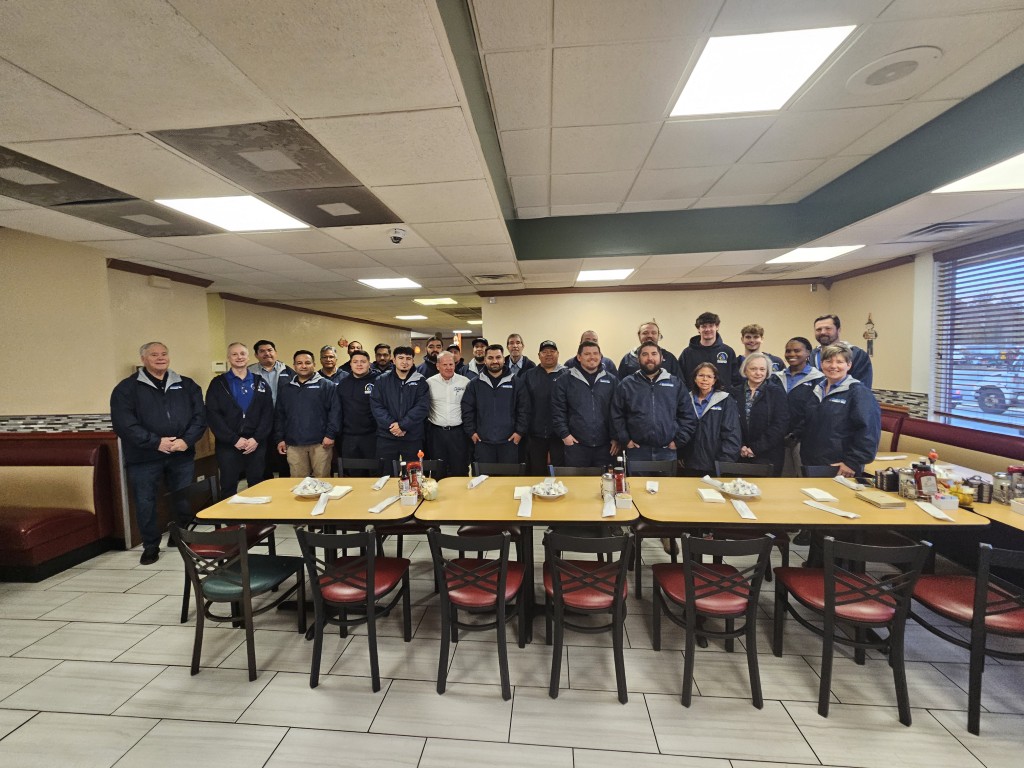
If you’d like to put faces to names before anyone visits your home, you can meet the team. And if you want to know more about the family behind the trucks, the About page tells that story.
McDaniel Service covers homes around the lake, including Bedford and Rocky Mount. Want something ongoing instead of a one-time visit? Ask about maintenance plans and what’s available at the lake.
Frequently Asked Questions
How often does a lake house furnace need maintenance?
Once a year, in early fall, is the baseline for a gas or propane furnace. If you use a heat pump, plan on two visits a year, one in spring and one in fall. Part-time use doesn’t mean you can skip it. Long idle periods and rodent activity can actually make yearly checks more important.
Can I approve repairs if I’m not at the house?
Yes, with the right company. A good contractor will call you, explain what they found in plain words, give you the price, and wait for your okay before doing any work. Ask for photos if it helps. You should never come back to a surprise bill for work you didn’t approve.
What’s the lowest safe temperature to leave my empty lake house?
Many pros recommend around 55°F for an unoccupied home in winter. Going lower saves very little fuel and raises the risk of frozen pipes, especially in rooms with plumbing on outside walls. Pair that setting with a thermostat or sensor that alerts you if the temperature drops.
What are the signs my furnace needs service before winter?
Watch for a yellow or flickering flame, a burning or dusty smell that lingers, short on-and-off cycles, or higher propane or gas use than last year. In a second home, you often won’t see these signs yourself. That’s exactly why a fall inspection matters more for a lake house than for a home you live in every day.
Warm House, Quiet Phone
Here’s what to remember. Empty homes are tough on furnaces, not easy on them. Stop-and-start use, rodents, and lake moisture all add risk. A real maintenance visit checks safety parts like the heat exchanger and flame sensor, not just the filter. Early fall is the best time to book. And a smart thermostat with low-temp alerts turns you from the last person to know into the first.
The goal is simple. You should never hear about a cold house from your cleaner again.
Ready to get ahead of winter? Contact the McDaniel team or call the office at 703-214-2152 to book your fall furnace check. Service is our middle name.