The Furnace Problem Nobody Warns Lake Owners About
You’re three hours away. It’s 19 degrees at the lake tonight. And you have no idea if your furnace is running.
Sound familiar?
If you own a second home on Smith Mountain Lake, you know this worry. You love the place. But you can’t drive down on a Tuesday to let a technician in. So furnace maintenance gets pushed to “next trip.” Then next trip becomes spring.
Here’s the thing. An empty house is harder on a furnace than a full one. Nobody’s there to hear a strange noise or smell something off. A small problem can grow quietly for weeks.
In this guide, you’ll learn why lake homes need a different plan, what a real tune-up should cover, and how to get it done without being there. We’ll also cover what to ask any contractor before you hand over a door code.
Why an Empty House Is Riskier Than You Think
When you live in a home, you’re the early warning system. You notice when the heat runs too long. You feel a cold draft. You hear the blower squeal.
At a lake house, that system is gone.
The Hidden Costs of “It Was Fine Last Time”
Look, most furnaces don’t die all at once. They give hints first. A weak flame sensor makes the burners shut off early. A clogged filter makes the system work harder. A dirty igniter fails on the coldest night of the year.
In a home you live in, those hints get caught. In a home you visit twice a month, they don’t. And when the heat fails in January, the real damage isn’t the furnace. It’s the frozen pipes, burst water lines, and soaked floors you find on your next visit.
That’s the nightmare. A $300 repair turns into a $15,000 insurance claim.
Lake Homes Face Their Own Set of Problems
Lake houses aren’t like city homes. Many around Hardy, Moneta, and Huddleston run on propane instead of natural gas. Some have heat pumps with a furnace backup. A lot of them sit closed up for weeks.
Closed-up homes invite visitors. Mice love to nest near warm equipment. Spiders build webs in burner tubes and vent pipes. And the damp air near the water can speed up rust on metal parts.
None of this means your furnace is doomed. It just means your furnace maintenance should be built for how the house is actually used.
What a Real Furnace Tune-Up Should Cover
Not every “tune-up” is equal. Some are a quick filter swap and a sticker on the unit. That’s not enough for a house nobody’s watching.
A solid visit should cover safety first, then performance. Here’s how the key checks break down, and why each one matters more when you’re away.
| Furnace Check | What the Tech Does | Why It Matters for an Empty Lake Home |
| Heat exchanger inspection | Looks for cracks or rust | A crack can leak carbon monoxide with no one home to notice |
| Carbon monoxide test | Measures CO near the furnace and vents | Confirms the system is safe before you arrive |
| Flame sensor cleaning | Removes buildup from the sensor | A dirty sensor is a top cause of no-heat calls |
| Igniter check | Tests for wear and weak spots | Igniters often fail on the first cold snap |
| Venting and flue check | Clears nests, webs, and blockages | Critters move in when the house is quiet |
| Filter replacement | Swaps in a fresh filter | A clogged filter strains the blower and wastes fuel |
| Condensate line flush | Clears the drain on high-efficiency units | A clog can shut the furnace off or leak water |
| Thermostat test | Confirms settings, batteries, and Wi-Fi | Dead batteries can mean no heat at all |
Want to know the secret? The last line in that table is often the cheapest fix with the biggest payoff. A good smart thermostat can text you when the house drops below a set temperature. That’s your early warning system, back again. You can learn more about Wi-Fi and smart thermostats and how they pair with your heating system.
Gas, Propane, or Heat Pump?
Your checklist shifts a bit based on fuel. Propane furnaces need the burners and gas pressure checked closely, since propane runs at different settings than natural gas. Heat pumps with backup heat need both parts tested so the backup actually kicks in when it’s cold outside.
If you’re not sure what you have, that’s okay. A good tech will tell you in plain words. You can also read up on furnaces and heat pumps before your visit.
How to Get Furnace Maintenance Done When You Can’t Be There
This is the part that keeps most lake owners stuck. You want the work done. You just can’t stand in the driveway waiting for a truck.
Good news. You don’t have to.
Step One: Solve the Access Question
Most remote visits come down to three options. You can share a lockbox or smart lock code. You can give a garage keypad code. Or you can ask a trusted neighbor or property manager to open up.
Smart locks are the cleanest choice. You can create a one-time code for the visit and delete it afterward. No spare keys floating around.
Step Two: Agree on How You’ll Be Reached
Here’s what matters most. Before anyone starts work, you should get a call. That call should explain what the tech found, what it costs, and whether it can wait.
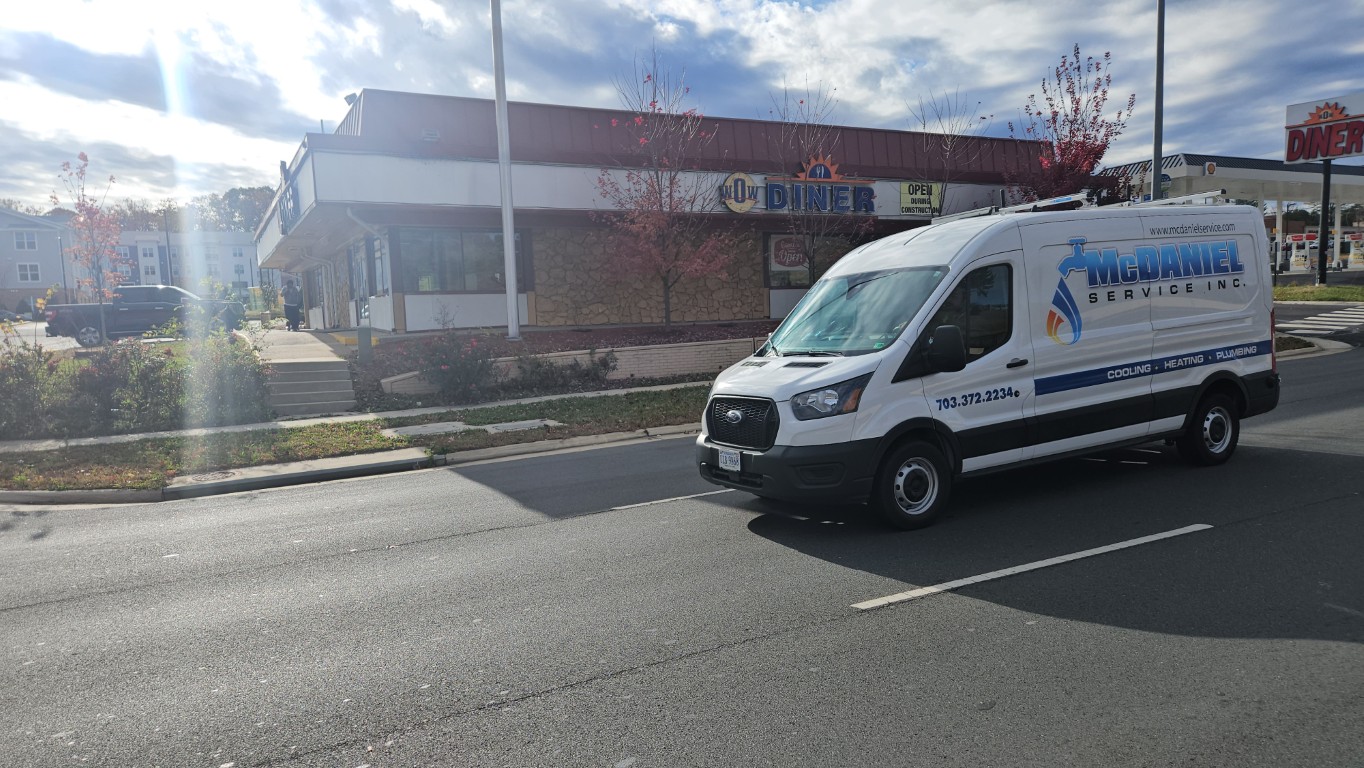
This is where the contractor you pick makes all the difference. At McDaniel Service, the rule is simple: you see the price and approve it before anyone touches a thing. That rule matters even more when you’re three hours away and can’t look over someone’s shoulder.
Step Three: Ask for Proof
You can’t see the furnace. So ask the tech to send photos of anything they flag. A cracked part, a rusty flue, a mouse nest in the cabinet. Pictures turn “trust me” into “here’s what I saw.”
Step Four: Leave the House Ready
Before you leave for the season, set the thermostat to about 55 degrees. Don’t go lower to save money. Pipes inside outside walls can freeze even when the room feels fine.
Also, keep the area around the furnace clear. Boxes and pool floats stacked against it make the tech’s job harder and can block airflow.
Who’s Actually Showing Up at Your Door?
It’s frustrating when a stranger has your door code and you don’t even know their name. You might feel uneasy about it. That’s normal.
But here’s what matters. Big call-center contractors often send whoever is free that day. Next year, it’s someone new. Nobody learns your house.
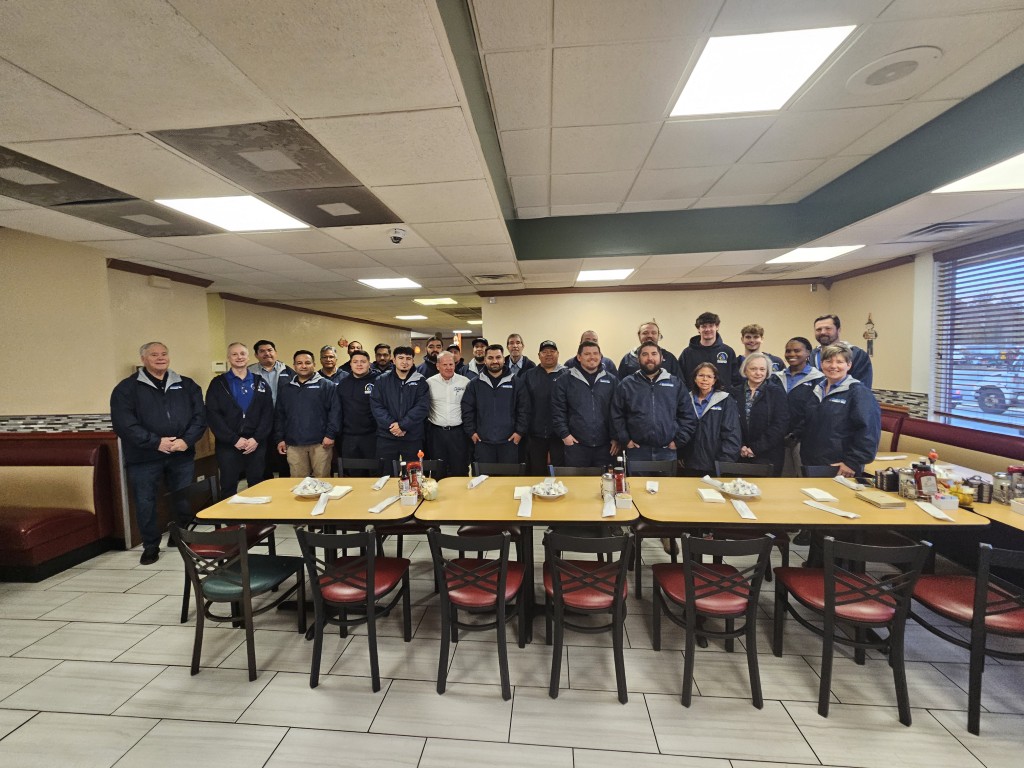
McDaniel Service works differently. It’s family-run. Bob McDaniel has been in the trade since 1969, and his son Rob has more than 30 years in. The team is made up of their own employees, with no subcontractors, and every one is drug-tested and background-checked.
That matters when someone walks into an empty home. You can meet the team before anyone arrives. And the company has earned a 4.9-star rating across more than 950 customer reviews, many of which mention techs by name and note they weren’t pushed into work they didn’t need.
The Value of a Tech Who Knows Your House
When the same person comes back each year, they remember things. That the flue was a little rusty last fall. That the condensate line clogs easily. That the filter is a weird size.
That memory is worth real money. It helps catch slow problems early, before they turn into a frozen-pipe mess.
When a Single Visit Isn’t Enough
The exception is a home that sits empty all winter. For those houses, one fall check is a start, but it may not cover everything.
This doesn’t work if the furnace is 20 years old and already struggling. In that case, a tune-up buys time, but it won’t make an old system new. An honest tech should tell you that, without a sales pitch. If it is time, you can explore heating installation and replacement options and take your time deciding.
Why a Maintenance Plan Fits Lake Owners
For most second-home owners, a yearly plan makes life easier. Visits get scheduled for you, so you’re not trying to remember in October. Members also get priority scheduling, which helps when a cold snap hits and everyone’s calling at once.
In Northern Virginia, the maintenance membership includes a fall heating check, a spring cooling check, and a plumbing inspection each year, plus 20% off repairs. Plan details can vary by location, so lake owners should call the Smith Mountain Lake office to ask what’s offered there.
That plumbing check is a quiet hero for lake homes, by the way. Furnaces and pipes fail together in winter. Catching a weak water heater or a slow drip before you close up the house saves a lot of heartache. You can see more on water heaters if yours is getting older.
Frequently Asked Questions
How often does a lake house furnace need maintenance?
Once a year, in early fall, is the minimum. Homes that sit empty all winter benefit from a second look mid-season, especially if you’ve had a hard freeze or a power outage. An outage can trip safety switches, and the furnace may not restart on its own.
Can a technician do furnace maintenance if I’m not home?
Yes. Most visits just need access and a phone number. Share a lockbox or smart lock code, agree that the tech will call before any repair, and ask for photos of anything they flag. You stay in control without driving down.
What temperature should I leave my lake house at in winter?
Most experts suggest around 55 degrees. Going lower risks frozen pipes, especially in walls facing the lake or in crawl spaces. A smart thermostat with low-temperature alerts adds a safety net you can check from your phone.
Is furnace maintenance different for propane systems?
A bit. Propane runs at a different gas pressure than natural gas, so the tech should check pressure and burner settings closely. Propane homes also tend to be in rural spots where critters nest in vents, so a vent and flue check is a must.
Peace of Mind From Three Hours Away
Here’s the bottom line. An empty lake home needs more care, not less. You’re not there to notice the warning signs, so your furnace maintenance has to catch them for you.
Plan your access ahead of time. Insist on a call before any work. Ask for photos. And pick a contractor who sends people you can name, not whoever was free that morning.
You bought the lake house to relax. Not to lie awake wondering if the heat is on.
If you own a home near Hardy, Bedford, Moneta, or Rocky Mount, McDaniel Service can handle your fall tune-up while you stay right where you are. Call the Smith Mountain Lake office at 703-214-2152 or send a message to get on the schedule before the next cold snap. Service is their middle name, and straight answers come with every visit.